How to Choose a Custom Laptop Bag Manufacturer: The Definitive B2B Buyer’s Guide (2026)
In the global supply chain, selecting a custom laptop bag manufacturer is not just a procurement decision—it is a strategic partnership that defines your brand’s market positioning. For wholesalers, corporate gift buyers, and private label brands, the quality of a laptop bag directly impacts customer retention and brand equity.
However, the manufacturing landscape in China is vast and complex. A simple search for “bag factory” returns thousands of results, ranging from small workshops to massive industrial complexes. To help you navigate this, we have compiled this comprehensive guide based on decades of industry experience in Oxford fabric briefcase manufacturing.
1. Deep Dive into Material Expertise: Beyond “Waterproof”
When you search for a OEM laptop bag supplier, most will claim to use “high-quality materials.” But as a professional buyer, you need to look closer at the technical specifications.
The Superiority of Oxford Fabric
For business and laptop bags, Oxford fabric is the gold standard. But not all Oxford is the same. A professional manufacturer should be able to explain the difference between:
•600D Oxford: Lightweight and cost-effective, ideal for promotional laptop sleeves.
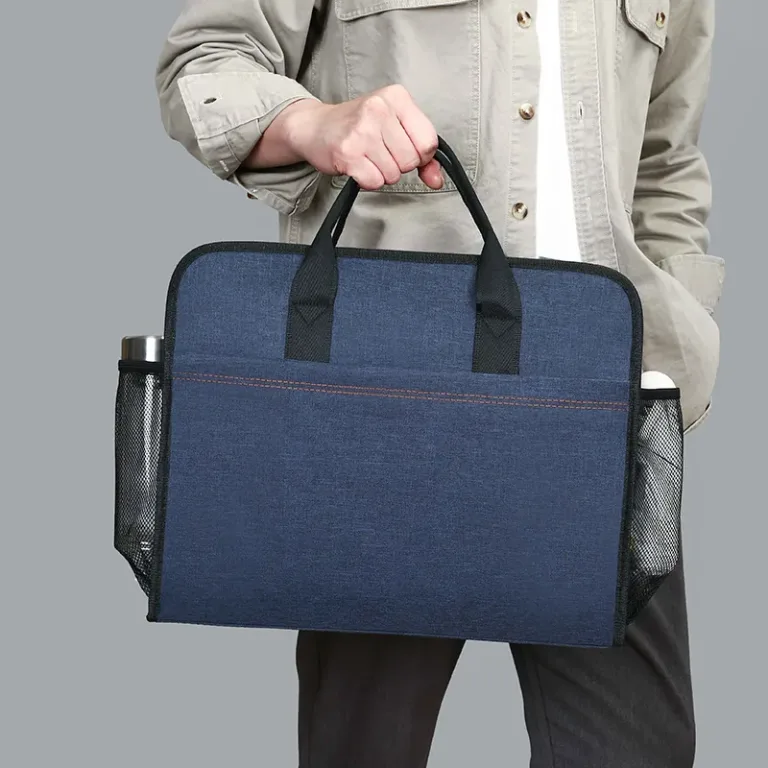
•1680D Oxford: High-density, extremely durable, and featuring a premium matte texture, perfect for executive briefcases.
•Waterproof Coatings: Does the factory use PVC, PU, or TPU coating? For high-end corporate bags, TPU is preferred for its eco-friendliness and superior aging resistance.
A manufacturer that understands these nuances can help you balance durability with your target price point.
2. Evaluating OEM & ODM Technical Capabilities
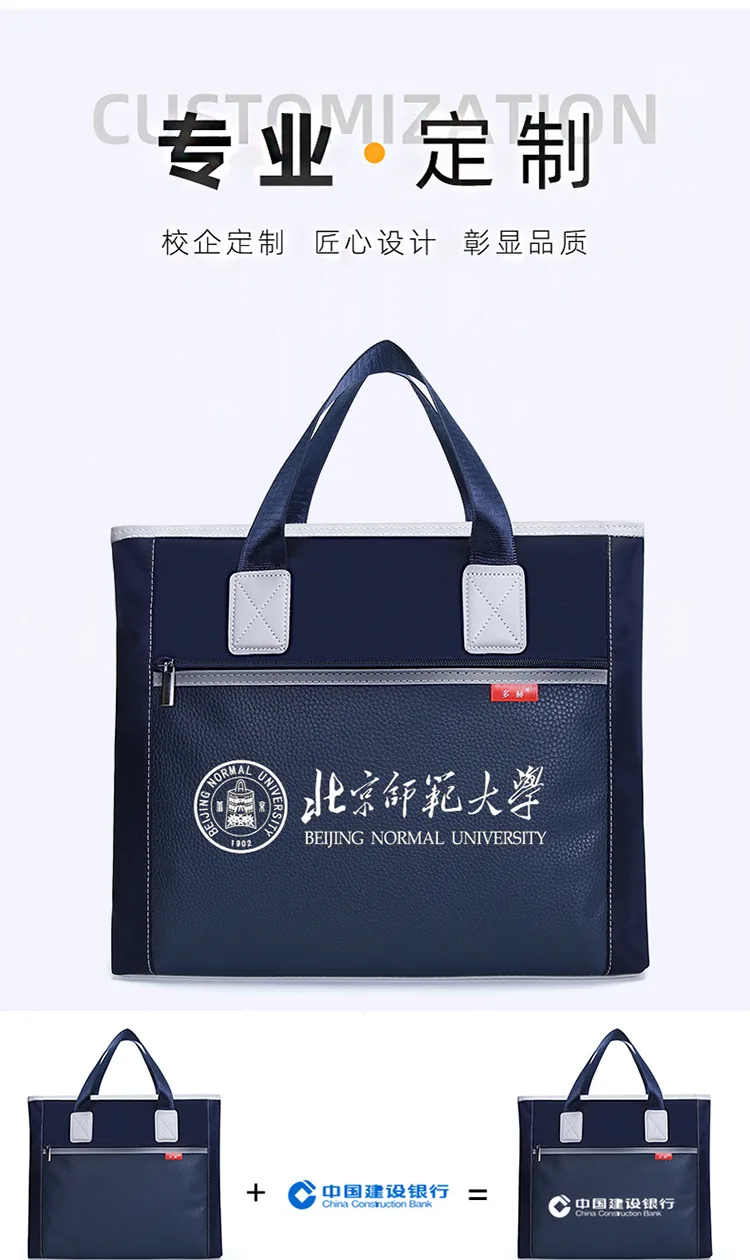
A professional custom laptop bag supplier should act as an extension of your design team. If you only provide a rough sketch, can they turn it into a functional product?
The Prototyping Workflow
A top-tier factory follows a structured R&D process:
1.Design Consultation: Analyzing your brand’s target audience and functional needs.
2.Paper Pattern Making: Creating the structural blueprint of the bag.
3.Material Sourcing: Selecting the right hardware (zippers, buckles) and lining fabrics.
4.Sample Production: Delivering a physical prototype within 7-10 days.
Ask potential suppliers if they provide free design renderings. This is a crucial value-added service that saves you time and prevents costly misunderstandings before the first stitch is even made.
3. The Science of Quality Control (QC) in Bag Manufacturing
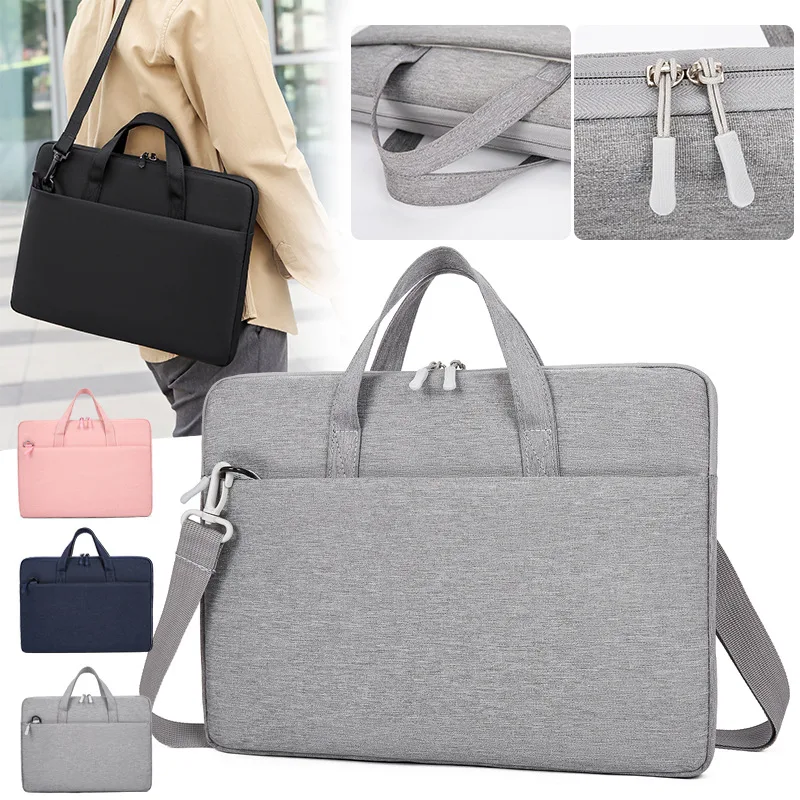
Quality is not an accident; it is the result of rigorous testing. When auditing a laptop bag factory, inquire about their specific testing protocols. A laptop bag must protect expensive electronics, which requires higher standards than a standard tote bag.
Critical Tests for Laptop Bags:
•Load-Bearing Test: Can the handles and shoulder straps withstand 10-15kg of weight for 24 hours without tearing?
•Zipper Reciprocating Test: Professional YKK or high-quality local zippers should withstand 5,000+ opening/closing cycles.
•Jerk Test: Simulating the sudden pulling of a bag when it is full.
•Salt Spray Test: Ensuring that metal hardware (buckles, D-rings) won’t rust during sea freight or in humid climates.
A factory that welcomes third-party inspections (like SGS or Intertek) is a factory you can trust.
4. Understanding the Economics: Pricing, MOQ, and Scalability
In B2B procurement, the “cheapest” price is often the most expensive in the long run due to quality issues. Instead, look for factory-direct wholesale pricing that reflects a fair balance of material costs and craftsmanship.
The MOQ Balancing Act
Minimum Order Quantity (MOQ) is often a hurdle for growing brands.
•Small-Batch Flexibility: Can the manufacturer support orders of 200-500 units for specialized corporate events?
•Mass Production Efficiency: Do they have the capacity to scale to 10,000+ units for retail distribution?
A versatile private label bag manufacturer like Briefcasecustom offers the flexibility to start small and scale fast, ensuring you don’t overextend your inventory while testing new markets.
In 2026, corporate buyers are increasingly focused on environmental impact. Does your manufacturer offer RPET (Recycled Polyester) options? Are they compliant with international standards like REACH or RoHS?
Working with a factory that prioritizes sustainability not only helps the planet but also protects your brand from legal and PR risks in Western markets.
6. Communication and Logistics: The “Soft” Factors
The best manufacturing capabilities are useless if communication is poor. A reliable partner should provide:
•Transparent Lead Times: Clear timelines for sampling (7 days) and mass production (25-35 days).
•Logistics Support: Expertise in DDP, CIF, and FOB shipping terms to simplify your import process.
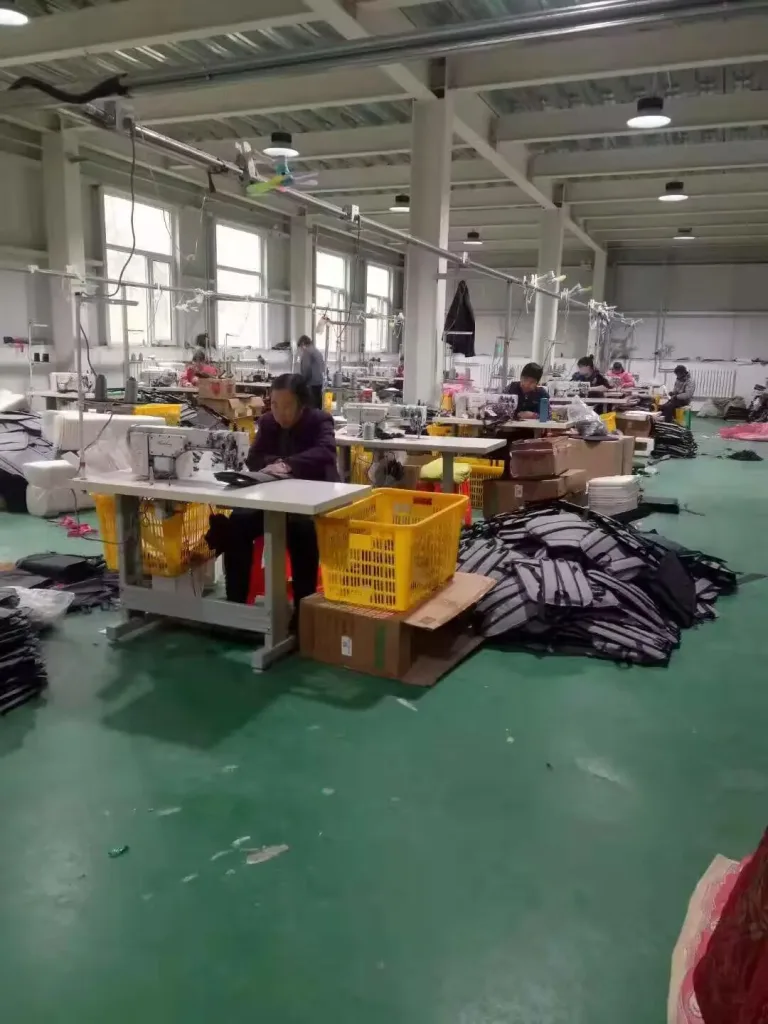
•Real-Time Updates: Providing photos and videos of the production line so you can monitor progress from thousands of miles away.
Conclusion: Making the Final Decision
Choosing the right custom laptop bag factory requires a holistic approach. It’s about finding a partner who combines technical mastery of materials like Oxford fabric with the design flexibility of OEM/ODM services and the reliability of global logistics.
At Briefcasecustom, we don’t just make bags; we build brand assets. Our factory-direct model, combined with our commitment to durability and professional design, ensures that your business stays ahead of the curve.
Transform your brand today. Contact our expert team for a free design consultation and a comprehensive quote tailored to your business needs.