How to Compare Wholesale Briefcase Quotes on a Like-for-Like Basis
When you request quotes for a bulk briefcase order, the cheapest number on the page is rarely the cheapest order in the end. Two quotes that look similar on price can be hundreds or thousands of dollars apart once you account for material grade, hardware, lining, logo method, quality checks and what “delivery” actually includes. The only way to compare wholesale briefcase quotes fairly is to compare them on a like-for-like basis: the same specification, the same assumptions, the same deliverables.

This guide gives procurement and sourcing teams a practical checklist to turn vague quotes into an apples-to-apples comparison, so you can approve a bulk order with confidence instead of guessing.
Why Price-Alone Comparison Fails for Custom Briefcases
A custom business briefcase is not a commodity. The same model number from two suppliers can use different Oxford fabric denier, different zipper brands, different inner lining, and different reinforcement at the corners. If one quote is 18% lower, it may simply be quoting a lighter specification you did not ask for.
Comparing on price alone also hides the parts of the order that cost real money later: pre-production samples, third-party inspection, revised tooling, and rework when the bulk does not match the approved sample. A like-for-like comparison puts those line items side by side before you commit.
Step 1: Lock the Specification Before You Ask for Numbers
The fastest way to get comparable quotes is to send every supplier the same tech pack. At minimum it should state:
- Bag type and intended use (corporate gifting, sales teams, employee onboarding, conference distribution)
- External dimensions and laptop compartment size (13″, 14″ or 15.6″)
- Shell material and fabric weight (e.g. 600D vs 900D Oxford), lining, and backing
- Hardware grade (zipper brand, pullers, feet, sliders)
- Logo method (embossing, screen print, woven label, metal plate) and placement
- Minimum order quantity and assumed color count
- Target delivery term (EXW, FOB, DDP) and estimated date
When every supplier quotes the same spec, the numbers become comparable. When they quote different specs, you will see exactly where the gap comes from.
Step 2: Build a Like-for-Like Quote Comparison Table
Put every quote into the same columns. A simple table prevents the classic mistake of comparing a bare-unit price against an all-in price.
| Line item | Supplier A | Supplier B | Supplier C |
|---|---|---|---|
| Unit price (same spec) | |||
| Material grade | |||
| Hardware / zipper brand | |||
| Logo method & setup fee | |||
| Pre-production sample cost | |||
| QC / inspection included | |||
| MOQ | |||
| Tooling / mold if any | |||
| Delivery term & ETA | |||
| Validity of quote |
Only when every row is filled can you say one quote is genuinely cheaper. Empty cells are hidden costs waiting to appear after deposit.
Step 3: Watch the Variables That Move the Number Most
Material and fabric weight
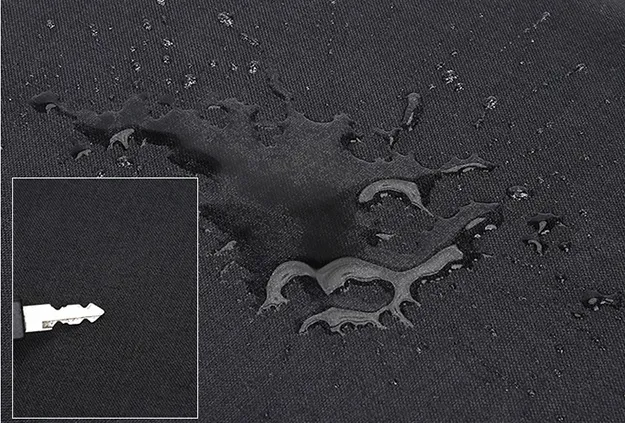
Oxford fabric is not one material. A 900D Oxford with PU backing feels and lasts very differently from a 300D plain weave. If your briefcase needs to survive daily commuting and airline handling, the heavier construction is usually worth the delta. Ask each supplier to state the exact denier and coating.
Hardware
Zippers are the most replaced part on a briefcase. A named zipper (or a documented equivalent) should be in the quote. Cheap sliders are where many low quotes cut corners.
Logo and setup
Some quotes exclude logo setup or plate tooling, then add it later. Capture the setup fee and per-unit logo cost in the same cell so it is never “extra.”
MOQ and consolidation
MOQ changes unit price sharply. If one supplier quotes a 500-piece minimum and another quotes 300, compare at the same quantity you actually need, not at their preferred minimum. See our breakdown of wholesale briefcase MOQ factors for the levers that move it.
Step 4: Compare the Sample-to-Bulk Promise
The most important line in any quote is not the price — it is the commitment that bulk will match the approved sample. Ask each supplier how they lock the sample (photos, sealed reference unit, QC checklist) and what happens if the bulk drifts. A supplier with a clear sample-approval step is lower risk even at a slightly higher unit cost. Our Business Briefcases manufacturer page shows the kind of specification and QC detail you should expect on a real order.
Step 5: Normalize Delivery and Payment Terms
A quote at FOB Shenzhen and a quote at DDP your warehouse are not the same number. Normalize both to landed cost at your door, including freight, duties and last-mile. Also check quote validity — material prices move, and a 30-day quote may not hold at order time.
Step 6: Score Beyond Price
Once prices are normalized, score each supplier on the things that protect your order: sample process, QC inclusion, communication speed, and references for similar bulk briefcase programs. A slightly higher quote from a supplier who catches a spec error before production is usually cheaper than a cheap quote that ships the wrong thing.
A Quick Like-for-Like Checklist
- Same tech pack sent to every supplier
- Same quantity, material, hardware and logo method
- All setup, sample and inspection fees in the unit price
- Same delivery term, normalized to landed cost
- Sample-approval and bulk-consistency commitment stated in writing
- Quote validity and payment milestones aligned
Real Models to Anchor Your Spec
If you are defining a corporate briefcase program, reviewing existing production models helps you specify faster. For example, Oxford Business Briefcase Model 202 and Premium Business Briefcase DH75 show the range from standard corporate to premium gift grades, and Custom Conference Briefcase Model 2201 is a common base for event and distributor programs.
Conclusion
Comparing wholesale briefcase quotes on price alone is how bulk orders go wrong. Build one spec, one table, and one set of delivery assumptions — then the numbers finally mean something. When the quotes are truly like-for-like, you can choose on total value and risk instead of on a single misleading number.
Ready to price your program on a like-for-like basis? Request a project quote with your spec sheet and we will return a quote built on the same line items above.