Wholesale Leather Briefcases: How to Source Genuine vs PU Leather in Bulk
Why Leather Still Sells in a Wholesale Catalog
Leather briefcases carry a perception of status that synthetic materials still struggle to match, which is exactly why distributors and corporate buyers keep them on the wholesale list. A genuine or high-grade PU leather case reads as a premium gift, a client onboarding item, or a long-service award. When you source wholesale leather briefcases, you are not just buying a bag; you are buying a signal of quality that the end user feels every time they carry it.
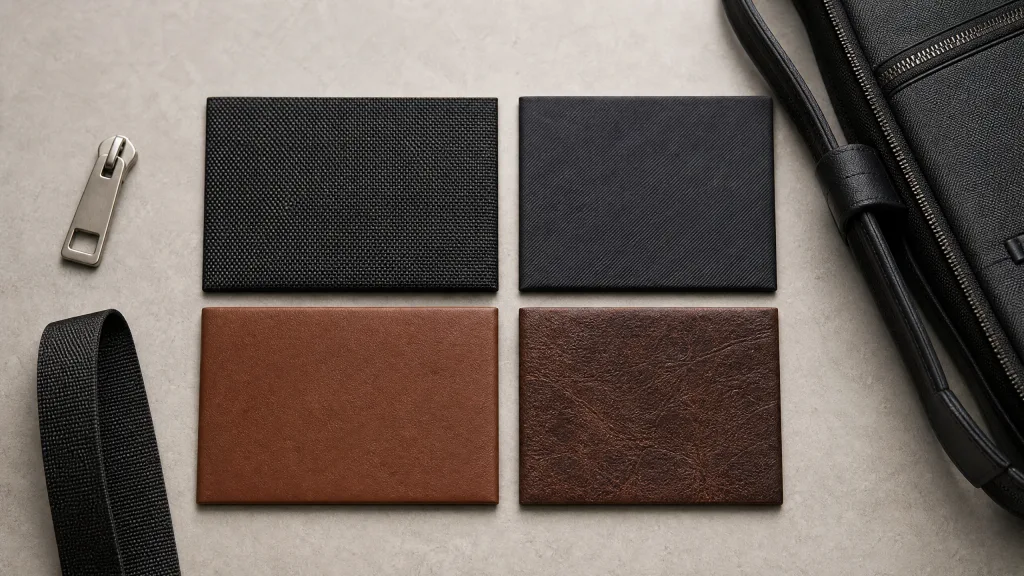
The practical upside is durability. A well-constructed leather or PU briefcase withstands daily commuting, conference travel and years of handling far better than cheap polyesters. For B2B buyers placing repeat orders, that durability translates into fewer returns and stronger word-of-mouth. Wholesale programs that lead with a credible leather line tend to win larger, stickier accounts than those that only offer entry-level fabric options.
There is also a margin story. Leather and leather-look cases sit comfortably at a higher price point, which gives distributors room to build a healthier resale margin while still feeling like good value to the corporate buyer. In a wholesale catalog, a strong leather tier often becomes the anchor that makes the rest of the range look more complete.
Genuine Leather vs PU Leather: What the Difference Actually Means
Genuine leather is animal hide that has been tanned and finished. It develops a patina, breathes, and typically outlasts synthetics by years. PU (polyurethane) leather is a split-leather or fabric base coated with a polymer layer that mimics the grain. It looks convincing, costs far less, and is easier to keep consistent across a large wholesale run, which is why so much contract and promotional leatherware is PU rather than full-grain.
For bulk orders, the choice is rarely ‘real versus fake’ in moral terms; it is a price-to-performance decision. Full-grain and top-grain leather commands premium pricing and longer lead times. PU leather delivers a uniform, brandable surface at a fraction of the cost and with fewer natural defects. Many of our wholesale leather briefcases use high-grade PU precisely because it lets a distributor hit a target price while still shipping a product that looks and feels premium.
Buyers should also know about bonded leather, a mix of leather fibers and binder that sits below PU in longevity. It is cheap but wears quickly, so it is a poor choice for a briefcase meant to last. Asking the supplier to name the exact grade prevents an unpleasant surprise when the first units reach the customer.
How to Verify What You Are Actually Buying
Specify the leather type in writing on every purchase order, and request a physical sample before committing to a full wholesale run. A simple burn test, a cross-section check, and a smell test at the sample stage will tell you more than any supplier description. Ask for the material composition on the care label and confirm it matches the quote, because ‘genuine leather’ can legally describe low-grade split hides that wear poorly.
On large orders, ask for a mid-production inspection photograph that shows the hide or PU surface up close. Reputable manufacturers will also share the tannery or coating supplier documentation. If a supplier refuses a physical sample or avoids naming the material grade, treat that as a warning sign and move on. Verification upfront is far cheaper than a container of mislabeled goods.
Third-party inspection adds another layer of safety. For a meaningful wholesale leather briefcases order, a short pre-shipment check that confirms material, stitching and weight is a small cost against the risk of a wrong-spec shipment. Build the inspection into the timeline so it is expected, not an afterthought.
Pricing and MOQ Realities for Leather Lines
Leather and PU briefcases sit at the higher end of wholesale pricing because material cost and hand-finishing add up. Expect minimum order quantities to be meaningful rather than trivial; small runs push unit cost up sharply. Planning a single consolidated order per season usually beats several small top-up orders, because the line setup, cutting and finishing are amortized across more units.
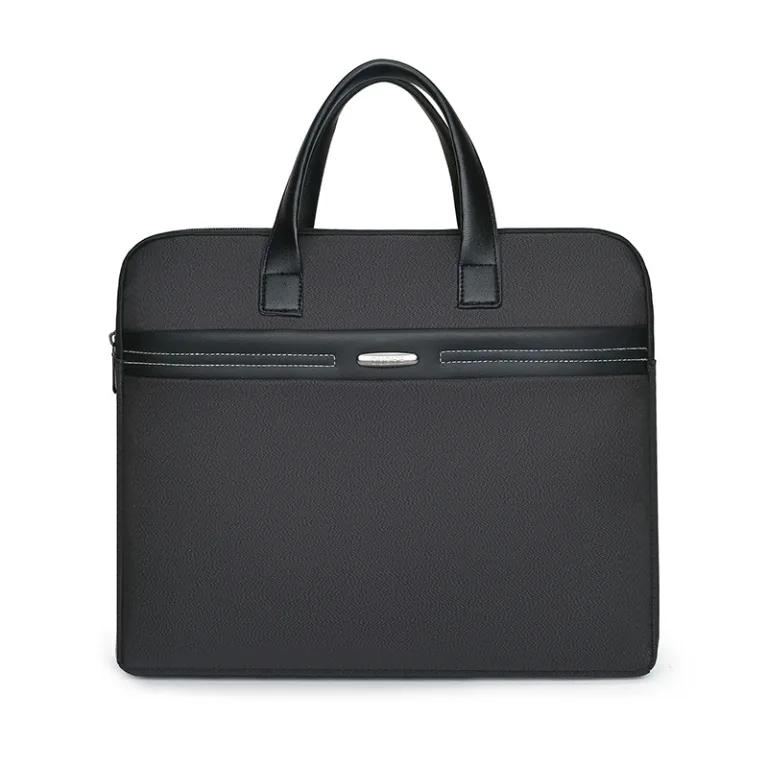
If budget is tight but you still want the leather look, a PU-leather wholesale briefcase is the pragmatic default. You keep the premium appearance and brandability while controlling spend. Business Briefcase Model 2860 and the Black High-End Business Briefcase DH75 are examples of styles that work well in both genuine and coated finishes depending on the target price band.
Remember that freight and duty also scale with weight; full leather is heavier than PU, which nudges landed cost upward on air shipments. Factor that into the comparison so the decision reflects total cost, not just the ex-works price.
Customization Options Buyers Actually Use
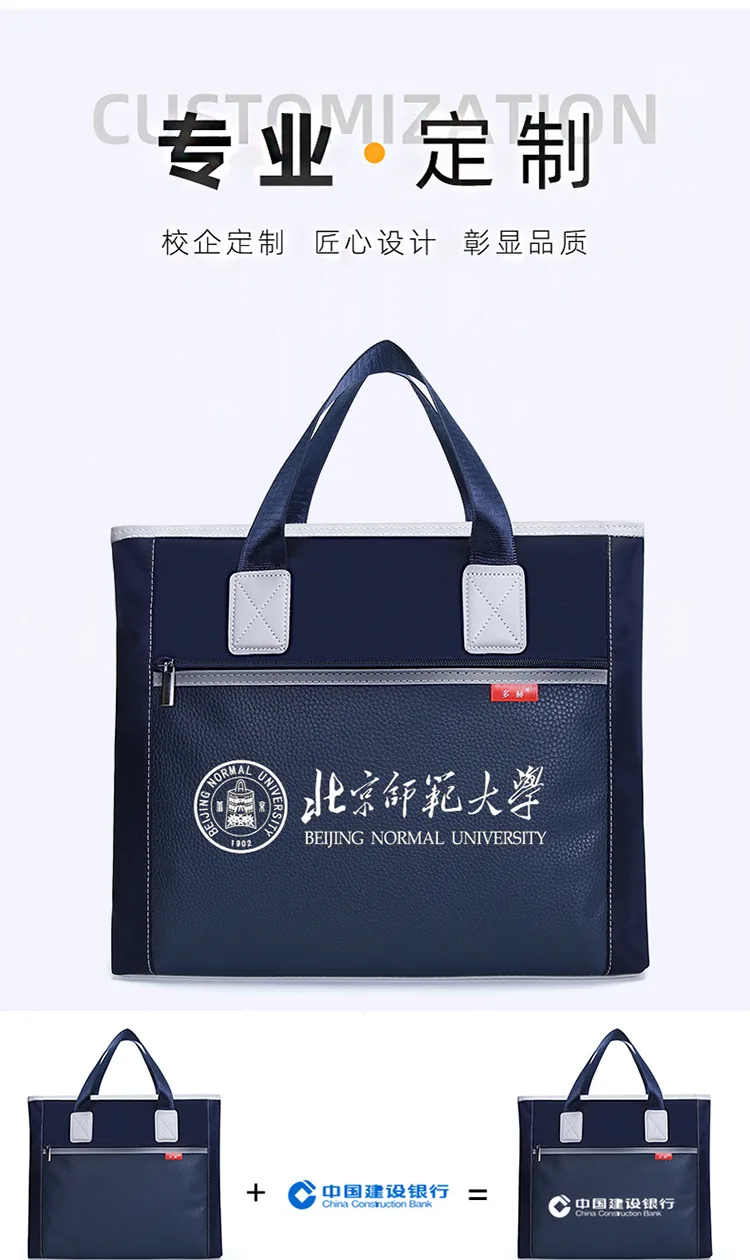
For leather and PU briefcases, the most durable branding is debossing, embossing or a woven label rather than a surface print that can crack. Metal zipper pulls and interior lining in brand colors are subtle, long-lasting touches that procurement teams appreciate. Keep logo placement to one or two considered positions so the case still looks like a professional product, not a billboard.
Color consistency matters more with leather than with fabric, because dye lots vary. Lock a Pantone or physical swatch at the sample stage and reference it on every re-order. This is especially important for wholesale leather briefcases meant to represent a single corporate identity across hundreds of units shipped to different regional offices.
Hardware is part of the brand too. Zippers, buckles and feet in a consistent metal tone signal quality. Specifying the hardware finish at the sample stage avoids the common mismatch where the leather is perfect but the zippers look cheap.
Common Pitfalls When Sourcing Leather Wholesale
The first pitfall is vague specification. ‘Leather briefcase’ on a PO invites the cheapest possible interpretation. Always name the grade, the lining, the hardware and the branding method. The second pitfall is skipping the physical sample to save a few days, which often costs weeks later when the bulk is wrong.
The third pitfall is ignoring re-order consistency. A leather line only builds a brand if unit five hundred looks like unit one. Put the approved sample and swatch on file with the supplier and reference them on every repeat order so the wholesale leather briefcases program stays coherent across seasons.
A Short Sourcing Checklist
Confirm material grade in writing, approve a physical sample, set the color reference, agree on branding method, and verify the supplier can hold specification across re-orders. Ask for lead time including freight, and build a buffer before your selling season. Finally, nominate one owner internally who signs off on the sample so the specification does not drift between departments.
When those points are locked, leather becomes a reliable, high-margin line rather than a sourcing headache. Our wholesale briefcase buying guide covers the broader program picture, and the product references above show representative styles you can spec around your own price target.
Conclusion
Sourcing wholesale leather briefcases is a material-grade decision first and a price decision second. Choose genuine or PU based on your audience and budget, verify with samples, and brand durably. Review our wholesale briefcase OEM supplier guide for the full buying framework, or request a project quote with your target material and volume to get a like-for-like offer.
Explore Models & Request a Quote
For specifications, customization and QC detail tied to this topic, review our production references such as Business Briefcase Model 2860Black High-End Business Briefcase DH75 or visit the related manufacturer page. When your specification is set, request a project quote and we will return a like-for-like quote for your order.