Bulk Tote Bag MOQ and Pricing: What Buyers Need to Know
Most bulk tote inquiries start with a quantity and a unit price, and the questions that actually decide the quotation come later — sometimes after a deposit is already discussed. MOQ is rarely a single number printed in a brochure. It changes with material, color, printing, and packaging, and the price per bag changes just as quickly. In our workshop, bulk tote bag MOQ and pricing questions arrive almost daily from wholesalers, distributors, event organizers, and corporate buyers, and the pattern is consistent: the clearer the specification, the fewer surprises in the final figure, whether you are pricing plain totes or custom logo bags. Our standard minimum for bulk canvas tote bags is 500 pieces per style, and the reason is plain logistics — below that quantity, the freight and handling cost per bag climbs so fast that the order stops making economic sense for either side.
This guide explains how minimum order quantities are built for bulk tote bags, which cost factors move the unit price, and what a buyer should prepare before asking suppliers to quote. It is written for people who compare quotations professionally, so it stays on the side of specifications and arithmetic rather than sales talk.
1. What MOQ Actually Means for Bulk Tote Bags
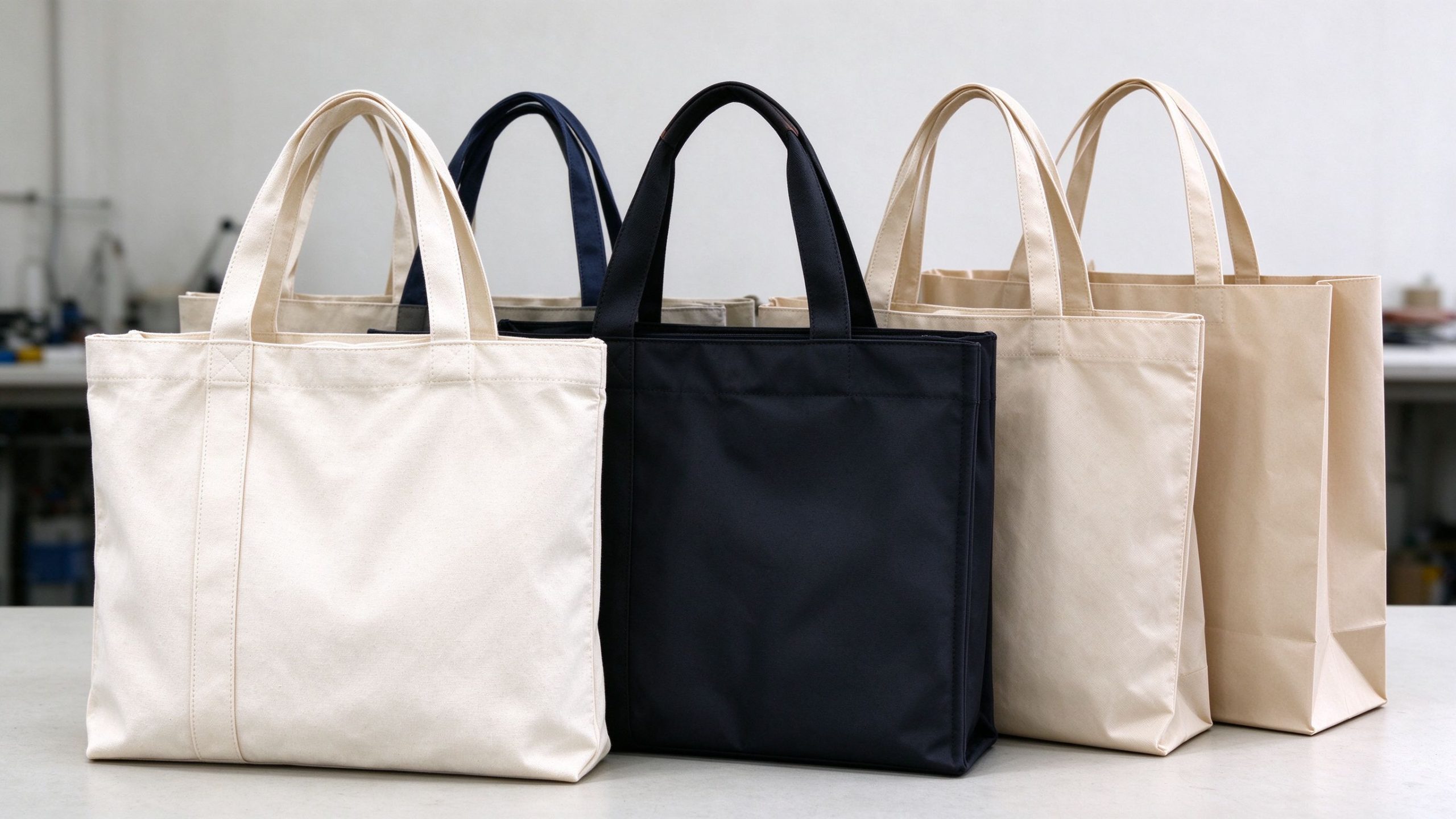
MOQ is the smallest order quantity a supplier will accept for one product specification. It is not a universal figure. A standard bag in an existing fabric with a one-position logo can carry a completely different minimum from a fully custom bag with special material, unusual dimensions, and retail packaging. The same supplier may quote different MOQs for different parts of one order.
For bulk canvas tote bags from our workshop, the standard MOQ is 500 pieces per style. This figure is driven mainly by shipping economics rather than sewing capacity. A tote bag is lightweight but bulky, and once an order falls below roughly 500 units, the freight, customs, and handling charges spread over so few bags that the landed cost per unit jumps visibly — often to the point where the total is no longer competitive against larger orders. 500 pieces is the quantity at which bulk shipping terms become meaningful: the per-unit freight share drops to a level a wholesale buyer can plan around, and we can schedule a production run without the setup cost dominating the price. Special materials, custom colors, or complex printing can still raise the practical minimum above 500, so the figure below applies to standard stock-fabric canvas totes.
Separate these types before asking for a number:
Product MOQ — the minimum per bag style. Ordering three different tote designs usually means three separate product MOQs, because each style runs through cutting, sewing, and finishing separately. On our sewing lines, changing from one style to another means re-setting machines and re-cutting patterns; that setup is why the style-level minimum exists at all. For bulk canvas totes, that per-style minimum is 500 pieces in practice.
Material MOQ — some fabrics carry their own purchasing minimums. If a supplier stocks the fabric, the minimum stays low. A special composition, a Pantone-matched color, or a custom weave may require a separate material order, and that raises the practical minimum for your bag.
Color MOQ — fabric colors behave like small materials of their own. Clarify whether the MOQ is calculated across the total order or per color. Three colors in one design is not the same purchasing situation as one color in the same total quantity.
Printing MOQ — logo colors, print method, number of positions, artwork complexity, and setup all influence the minimum. A simple one-side print and a two-side, multi-color design sit at different preparation levels.
Packaging MOQ — custom packaging, printed labels, polybags, and retail-ready packaging can carry their own minimums. Ask whether packaging quantities must match the bag quantity or can be ordered separately.
The practical buyer tip is to ask the supplier to state which MOQ applies to the bag itself and which applies to materials, printing, and packaging. That single question makes the whole quotation easier to read.
2. What Moves Bulk Tote Bag Pricing
Two bags can look identical in a product photo and sit at very different prices, because the price follows the complete specification, not the silhouette. These are the factors we price against on every bulk tote bag MOQ and pricing comparison.
2.1 Material and Fabric Weight
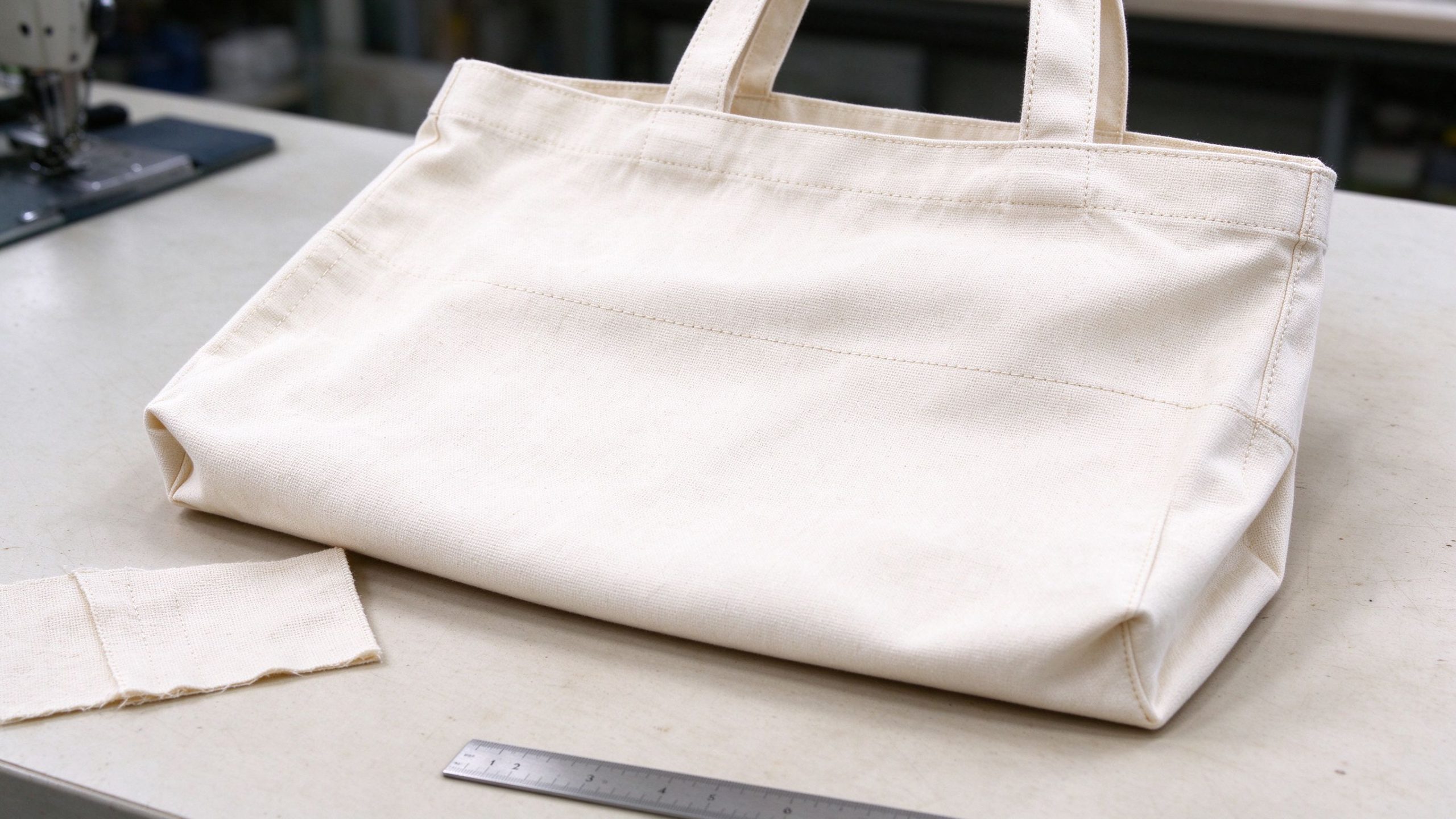
Material is the largest single cost factor. Cotton canvas, polyester, non-woven polypropylene, and other woven or synthetic fabrics differ in raw material cost, processing behavior, and physical feel. For canvas, weight is quoted in GSM — grams per square meter. A higher GSM means more material per bag, but it does not automatically mean a stronger bag; construction, yarn quality, stitching, and handle attachment decide performance. When requesting a quotation, provide material composition, fabric weight or GSM if specified, fabric color, surface finish, and any special material requirements. If the exact specification is not fixed yet, ask the supplier to offer comparable options instead of guessing. Two suppliers may both say “12 oz canvas” and quote differently because the yarn count, weave density, or finishing differs; the specification sheet is what makes the comparison honest.
2.2 Dimensions and Construction
Size and structure drive material consumption and sewing complexity. Bag width, height, bottom gusset, side gusset, handle length and width, handle attachment method, and internal pockets all change the quote. A larger bag takes more fabric than a smaller one on the same specification; extra gussets, reinforced bottoms, inner pockets, and complicated finishing add labor. A technical drawing or dimensioned reference image is worth more than a description like “medium.” The same principle appears in our custom canvas tote bag size guide, which walks through the measurements that matter on the specification sheet.
2.3 Logo Printing and Customization
Custom branding sits next to material in cost impact. The quotation depends on logo size, number of colors, print position, number of locations, print method, artwork preparation, and setup requirements. Screen printing and heat transfer are the two methods we discuss most with bulk buyers; the right choice depends on the fabric, artwork, and quantity. Provide the original logo artwork with intended dimensions and placement, and approve a printed sample before mass production.
2.4 Stitching and Additional Features
Reinforced handles, cross-stitch attachments, inner lining, zipper closures, magnetic snaps, internal pockets, bottom boards, and special edge finishing all add labor and materials. Promotional giveaways often work fine with simple construction; retail merchandise and corporate gifts may justify more detail. Choose features by intended use rather than by habit.
2.5 Order Quantity
Quantity distributes setup and preparation costs across more units, so larger orders usually lower the per-unit price. But there is no automatic discount curve. The structure depends on material, production arrangement, customization, and the supplier’s own cost base. Request several quantity-based tiers — for example, three quantity levels on the same specification — and confirm that every tier uses identical material, dimensions, printing, and packaging. Otherwise the comparison is not meaningful.
2.6 Packaging
Packaging belongs in the first quotation, not as a later addition. Individual polybags, bulk carton packing, custom printed packaging, hang tags, labels, barcode stickers, and retail-ready packaging each carry cost and preparation implications. If the bags go to retail, provide packaging specifications before the final quote.
2.7 Shipping and Delivery Terms
Unit price is not total cost. International buyers should add sample and development costs, packaging, freight, insurance where applicable, import duties, and destination handling charges. The final figure depends on the agreed Incoterm. Ask suppliers to state exactly which costs are included and which are excluded.
3. How to Calculate the Total Cost of a Bulk Tote Bag Order
Comparing unit prices alone produces bad purchasing decisions. The useful number is total landed cost: product cost plus customization, packaging, shipping, and applicable import and handling charges. Some of these may already be inside the product price, so read the quotation carefully to avoid counting an expense twice. The landed cost per unit is the total divided by the accepted quantity. That arithmetic matters most when freight and duties are a large share of the order — which is common for cross-border bulk purchasing.
A quick example: Supplier A quotes a lower unit price but excludes packaging and freight; Supplier B quotes higher per bag but includes more of the required scope. After all line items are added, Supplier A is not automatically cheaper. Compare the same cost categories and delivery terms on both sides before selecting a supplier — the lowest initial quotation should not be the only driver.
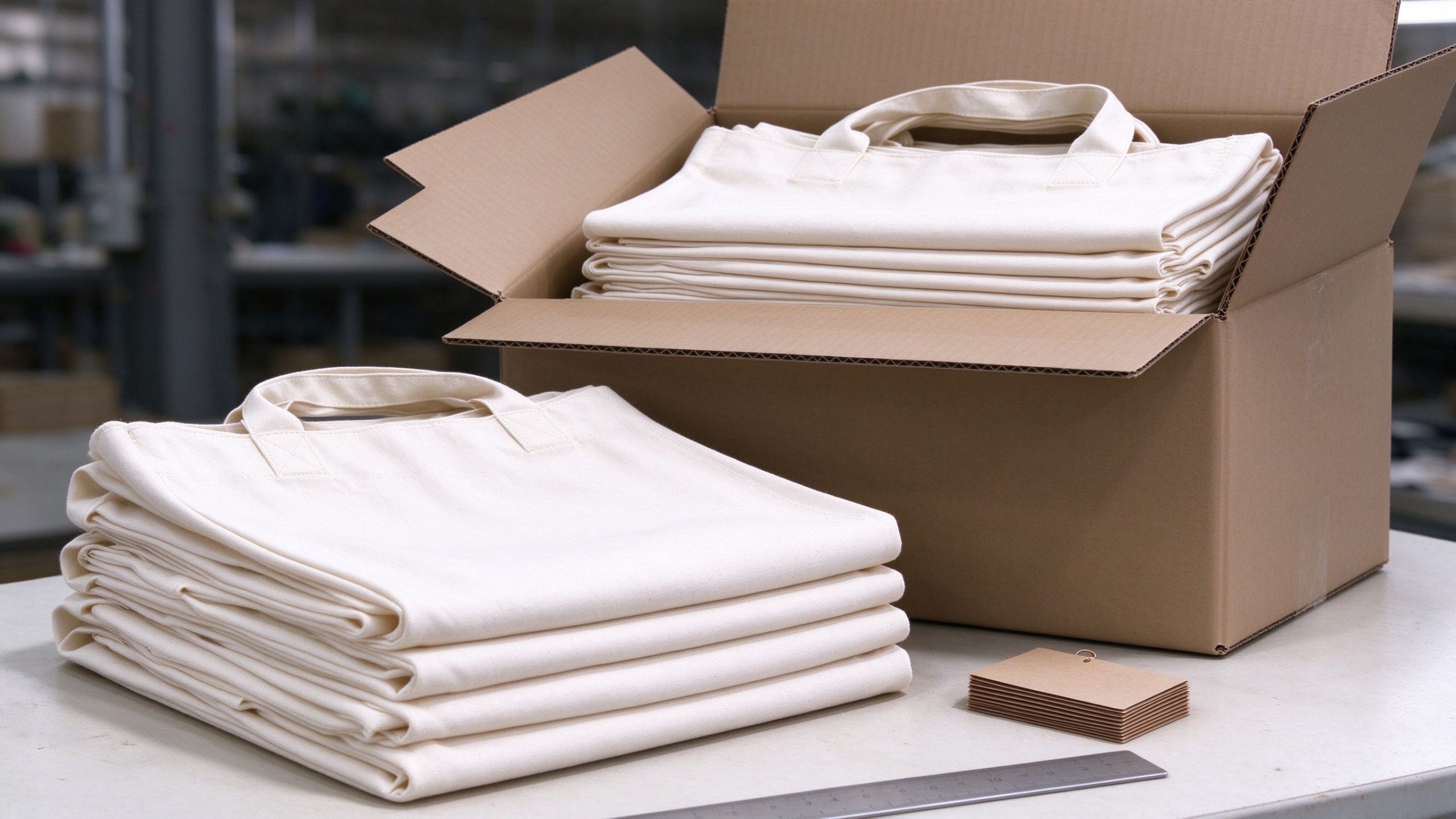
4. Reducing Bulk Tote Bag Costs Without Cutting Quality
Most cost reduction in bulk tote programs comes from simplifying the specification, not from pressuring the price. Five moves show up again and again in orders that come in on budget.
Use existing materials. Ask whether the supplier offers a suitable stocked fabric instead of a specially developed one. Existing options reduce sourcing steps — but confirm the stock material still meets your requirement.
Standardize dimensions. If several designs share similar requirements, consider one common size. Multiple sizes should exist because they serve different purposes, not out of habit.
Simplify printing. Fewer colors, one print position, a standard logo size, and a method matched to the fabric lower preparation and setup cost. Approve artwork and sample before production.
Consolidate colors. Multiple fabric colors add sourcing and production requirements. For corporate and promotional orders, one consistent brand color also simplifies inventory management.
Match packaging to channel. Event giveaways rarely need premium retail packaging; standard bulk packing often suffices. Retail merchandise may require individual packaging and labels. Choose by distribution channel.
Plan ahead. Last-minute purchasing limits sourcing and shipping options. Prepare specifications, artwork, packaging, and a target delivery date early so the supplier can structure production properly. Simplifying the spec does not automatically lower the MOQ or shorten the lead time — confirm the actual terms with the supplier. Our bulk tote bags hub covers the product side of this decision, while the custom tote bags range shows what changes when branding and specifications are added.
5. Comparing Bulk Tote Bag Supplier Quotations
Consistency makes comparison possible. If every supplier receives a different specification, the prices cannot be compared at all. Send each supplier the same information: product type and material composition, fabric weight, bag dimensions, handle details, fabric color or Pantone number, logo artwork with size and position, additional features, packaging, order quantity and possible tiers, sample requirements, destination country, requested Incoterm, and quotation currency. A dimensioned drawing or reference photo travels with the RFQ; text descriptions alone leave room for each supplier to imagine a different bag.
When the quotations arrive, check that all suppliers are quoting the same material, that dimensions and construction are identical, that printing and packaging are included or excluded the same way, that sample and setup costs are separate line items, that the MOQ applies to the same basis (per design or total order), and that shipping terms are clearly stated. A supplier should also be willing to confirm the required specification in writing. A clear comparison evaluates overall purchasing value, not just the lowest unit price. If one supplier is noticeably cheaper, ask what changed in the specification — lower-cost material, thinner fabric, fewer stitches, or simpler packaging often explains the gap before any negotiation starts.
6. Bulk Tote Bag RFQ Checklist
A good RFQ lets the supplier understand the project without a long email chain of missing details. Prepare four blocks of information.
Product information: reference image or design drawing, required material, dimensions and construction, fabric color.
Customization information: logo artwork, printing method preference if known, logo dimensions, print position, any additional branding requirements.
Order information: estimated quantity, number of designs, number of fabric colors, sample requirements, target delivery date.
Commercial information: destination country, preferred shipping terms, required packaging, quotation currency, any special purchasing requirements.
Mark unfinished items as pending rather than leaving them blank. A supplier can then quote on confirmed requirements and flag what still needs discussion — which is especially useful for first-time OEM buyers with a concept but no complete technical specification.
7. Frequently Asked Questions About Bulk Tote Bag MOQ and Pricing
What is the MOQ for bulk tote bags? For bulk canvas tote bags at BriefcaseCustom, the standard MOQ is 500 pieces per style. Below that quantity, the freight and handling cost per bag becomes disproportionately high, which is why we set the minimum there rather than lower. Custom materials, special colors, or complex printing can push the practical minimum higher, so confirm the figure for your exact specification rather than relying on a general rule.
Why do custom tote bags have different MOQs from plain tote bags? Custom bags may require material sourcing, color preparation, printing setup, and customized packaging that plain bags using existing stock do not. The MOQ follows the requested configuration, not the category name.
Does ordering more tote bags always reduce the unit price? Not necessarily. Higher quantities distribute some preparation costs, but material, construction, printing, and packaging still shape the quote. Request quantity tiers to see the real differences.
Which factors have the biggest influence on tote bag pricing? Material type and fabric weight, bag dimensions, construction details, printing requirements, order quantity, and packaging lead the list. Add international shipping and import expenses when calculating total cost.
Can I order several tote bag designs in one bulk order? It depends on the supplier’s production arrangements. Ask whether the MOQ applies separately to each design, material, or color, or whether designs can be combined. Combining quantities does not automatically satisfy every production requirement.
Should I request a sample before placing a bulk order? For customized B2B orders, yes. A sample verifies dimensions, materials, stitching, logo placement, and overall appearance. Approve the sample and the written specification before authorizing mass production. Ask the supplier to confirm the sample cost separately and whether it is credited to the production order.
What documents should a supplier provide with the quotation? A professional bulk tote bag quotation states the specification basis, MOQ, unit price per tier, which costs are included or excluded, sample and setup fees, packaging description, delivery terms, and payment terms. Written confirmation of the specification matters as much as the price itself — a verbal agreement on a dimension is worth nothing if the shipment does not match.
8. Request a Bulk Tote Bag Quotation
Planning a wholesale tote order takes more than picking a quantity and asking for a unit price. The most accurate quotation comes from a clear specification covering material, dimensions, construction, printing, packaging, and delivery. At BriefcaseCustom we quote bulk tote bag MOQ and pricing for wholesalers, distributors, promotional product suppliers, retailers, and corporate buyers, with a standard bulk MOQ of 500 pieces per style. To evaluate your project, we need your preferred tote style, material and dimensions, logo artwork or reference images, estimated quantity, packaging requirements, and destination country. If the design is not finalized, send reference images and basic requirements for an initial discussion. For reference on how material safety claims are verified in the textile trade, the OEKO-TEX Standard 100 certification documentation explains the testing scope relevant to tote bag materials. You can also request a quote directly — the faster we have real numbers, the faster the bulk tote bag MOQ and pricing picture stops being theoretical.