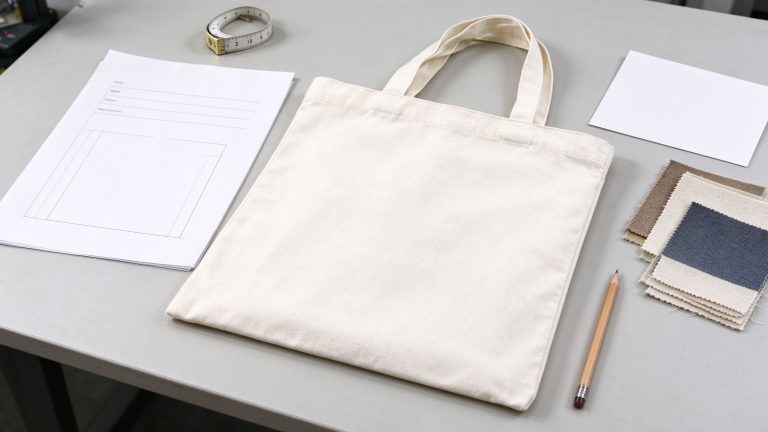
Canvas Tote Bag Fabric Quality Checklist for Buyers
A common scenario in tote bag sourcing: the pre-production sample looks clean, the fabric feels right, and the order is approved. Then the bulk shipment arrives with a different colour cast, a looser weave, or a logo that does not hold like it did on the sample. The fabric, not the design, is usually the variable that changed.
Canvas is not a single material. Two suppliers can both say “canvas” and deliver different fibre compositions, fabric weights, weaves, finishes, and dye lots. A fabric description alone does not establish product quality.
For B2B buyers, the solution is to define the required specifications, inspect representative samples, verify supplier claims, and establish consistent acceptance criteria before bulk production.
This canvas tote bag fabric quality checklist explains what to examine, which documents to request, how to compare samples, and how to reduce misunderstandings when placing an OEM or wholesale order. Explore our custom canvas tote bags to review available material options and customization services.
1. Define Your Canvas Fabric Requirements First
Before evaluating fabric quality, document what the finished tote bag needs to achieve. A bag designed for lightweight event materials may have different requirements from one intended for retail merchandise or corporate gift packaging. The appropriate fabric depends on the application, construction, printing method, budget, and expected use.
Start by recording the following information:
- Intended use and target market
- Required finished bag dimensions
- Preferred fabric composition
- Target fabric weight or specification, if already established
- Required fabric colour
- Desired surface appearance
- Logo printing or other decoration requirements
- Expected product presentation and packaging
- Applicable testing or compliance requirements
- Inspection and acceptance criteria
If you are uncertain about the appropriate fabric, ask the supplier to propose suitable options and explain the differences. Avoid relying exclusively on descriptions such as “premium canvas,” “heavy-duty fabric,” or “high-quality cotton.” These expressions are not sufficiently precise for a purchase specification unless they are supported by measurable requirements.
The goal is to create an agreed reference that both the buyer and supplier can use during sampling, production, and inspection.
2. Verify Fabric Composition and Material Specifications
The first step in evaluating canvas tote bag fabric quality is confirming what the material actually contains.
Canvas-style fabrics can differ in fibre composition and construction. Depending on the product, the fabric may use cotton, polyester, a blend, or another specified material. These options should not be treated as interchangeable.
Check the stated fibre composition
Ask the supplier to identify the material composition of the proposed fabric. If your purchasing requirements specify cotton or a particular blend, ensure the quotation and sample documentation reflect that requirement.
Where composition is important to the order, ask what supporting documentation is available and whether it applies to the exact fabric being supplied. Do not assume that a fabric’s appearance or feel proves its fibre composition.
Confirm fabric weight
Fabric weight is commonly expressed in grams per square metre (GSM). It can be useful when comparing fabrics, but it should not be used as the sole indicator of quality.
A higher GSM value does not automatically establish better durability, stronger seams, or greater carrying capacity. Fibre composition, yarn characteristics, weave, finishing, and the construction of the complete bag can also affect performance. For a detailed discussion of weight specifications and measurement, see our canvas tote bag weight guide.
Clarify construction and finishing
Ask the supplier to document relevant construction details, such as:
- Fabric structure or weave, where specified
- Surface finish
- Colour and dyeing requirements
- Any coating or treatment included in the specification
- Whether the fabric has a special appearance or texture
- Any restrictions affecting printing or further processing
If the supplier proposes a substitute material, request confirmation of how it differs from the approved specification. A substitute should not be accepted merely because its general appearance is similar.
3. Inspect the Fabric Surface for Visible Defects
A visual inspection is a practical starting point for assessing a fabric sample. It can reveal obvious defects, but it cannot independently verify every property of the material. Inspection conditions should therefore be consistent. Use clean, adequate lighting and examine the fabric from several angles.
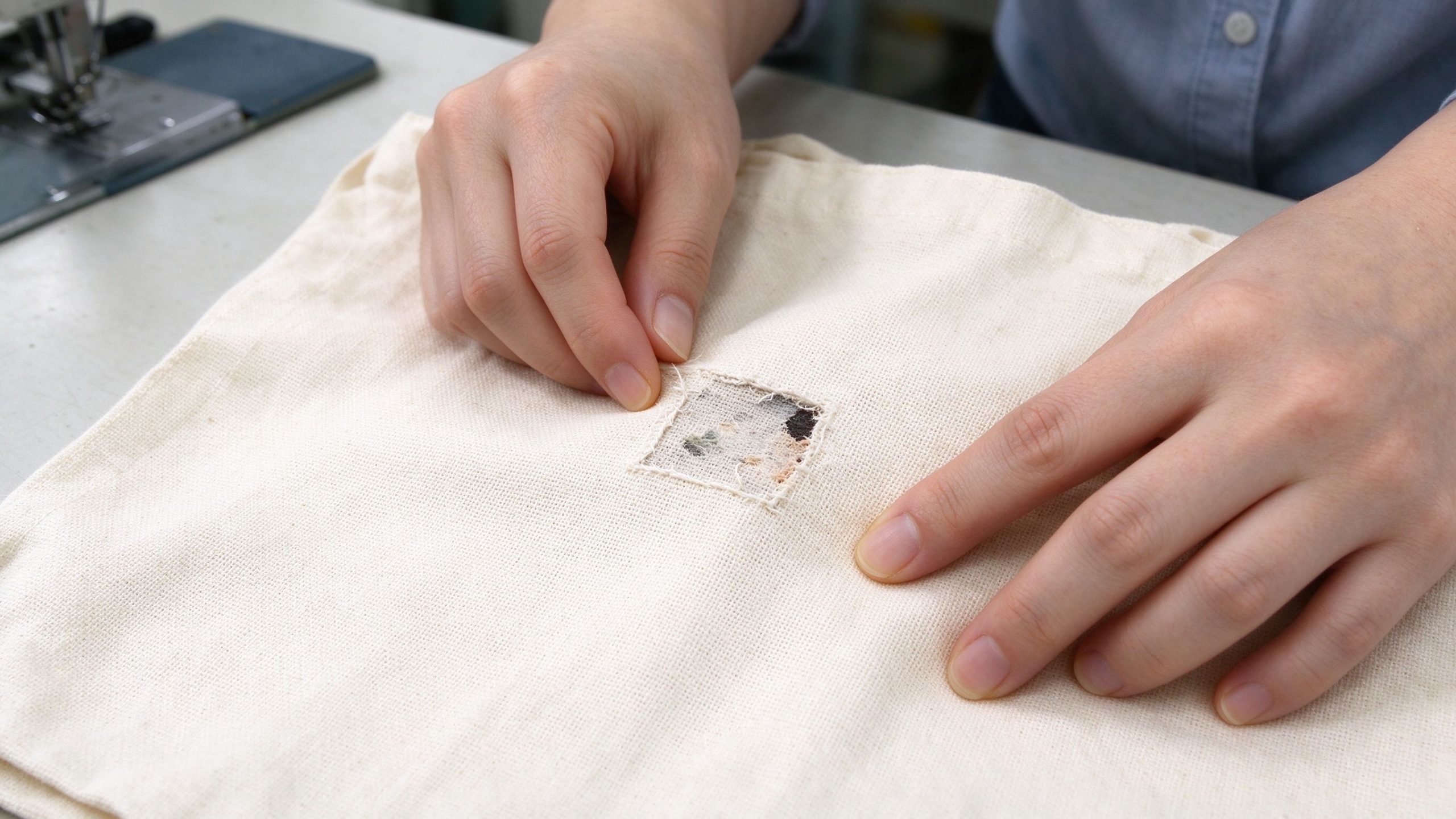
Check for holes, tears, and broken yarns
Look for visible holes, tears, broken yarns, or other interruptions in the fabric structure. Pay particular attention to defects that may become part of the finished bag’s front panel, base, seams, or logo area. Document any defects found on the sample and agree on how similar issues will be evaluated during production.
Check for stains and contamination
Look for visible stains, oil marks, dirt, or other unwanted contamination. For retail and branded products, defects on prominent surfaces may be particularly important because they affect the product’s presentation. The acceptance criteria should specify which areas are subject to inspection and what types of visible defects are unacceptable.
Examine weaving consistency
Look for obvious irregularities in the fabric surface, such as uneven yarn spacing, visible distortions, or inconsistent texture. Some natural variation may occur depending on the material and construction. Whether a particular variation is acceptable should be determined by the approved reference sample and written specification.
Do not assume that every visible difference is automatically a defect. Instead, document the required appearance and agree on the inspection standard.
Check edge and surface condition
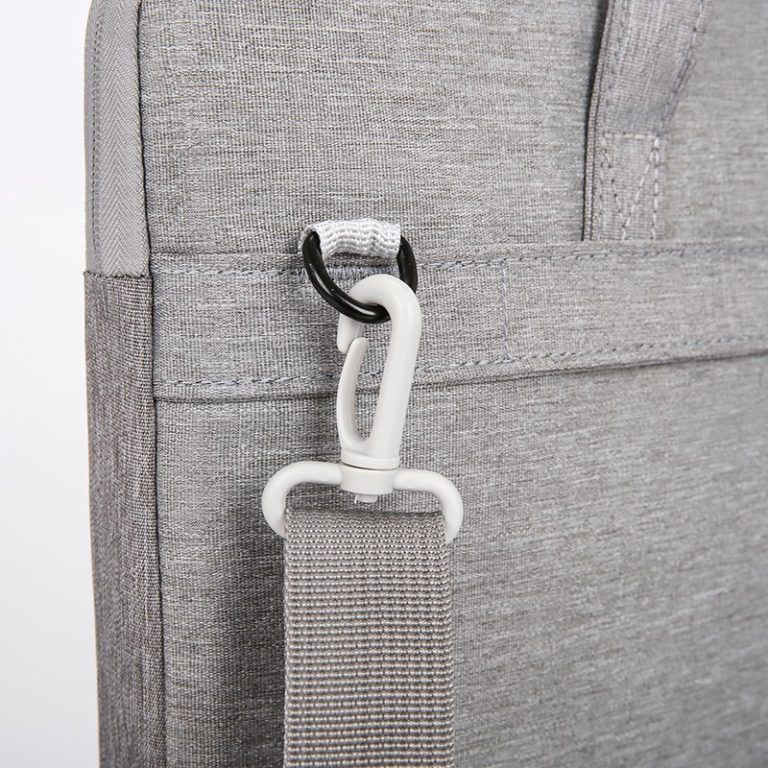
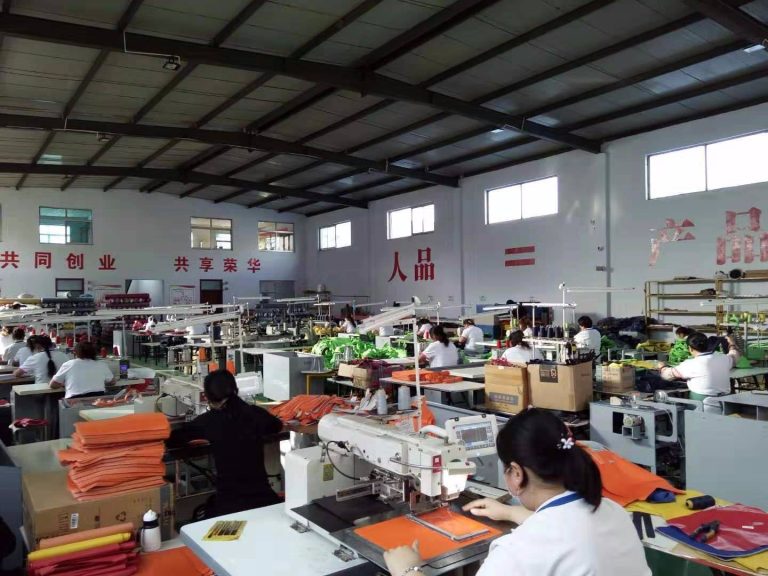
If the fabric has visible fraying, loose yarns, or damaged edges, assess whether these conditions affect the intended construction. The supplier should also clarify how the fabric will be cut, sewn, and finished. A fabric sample that looks acceptable as a flat piece may still require further evaluation after cutting and sewing.
4. Evaluate Colour Consistency
Colour consistency matters when the tote bags represent a company, retailer, event, or product line. A colour difference may become noticeable when bags are displayed together, especially when the order contains multiple production batches.
Approve a physical colour reference
Where colour accuracy is important, approve a physical reference or another agreed colour standard before bulk production. Photographs and screen previews can be useful for communication, but their appearance may vary with lighting, display settings, photography, and image processing. A digital preview should not automatically replace an agreed physical colour reference.
Inspect the material under consistent lighting
Compare the proposed fabric against the approved reference under consistent lighting conditions. If the finished bags will be displayed in a particular retail environment, consider whether the appearance should also be reviewed under relevant viewing conditions. Record the approved colour reference and clarify how production variations will be assessed.
Check consistency across the order
For orders involving multiple colours, fabric lots, or production batches, establish how the supplier will manage colour consistency. Ask whether the supplier can identify the relevant material batches and what inspection procedures will be used. Do not assume that different rolls or batches will look identical without an agreed verification process.
5. Assess Fabric Feel, Drape, and Structure
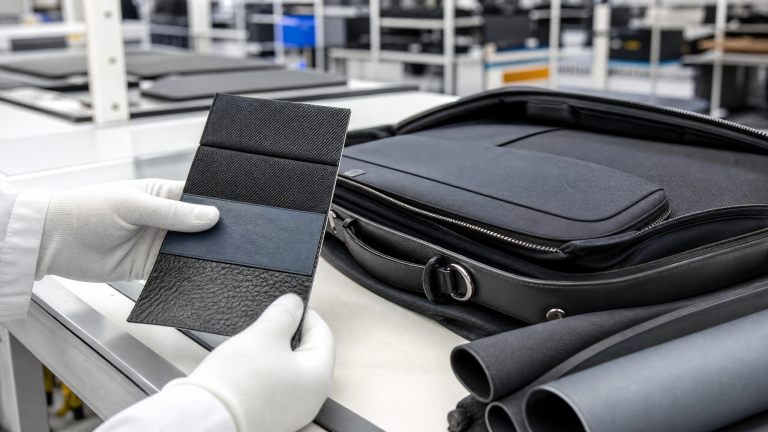
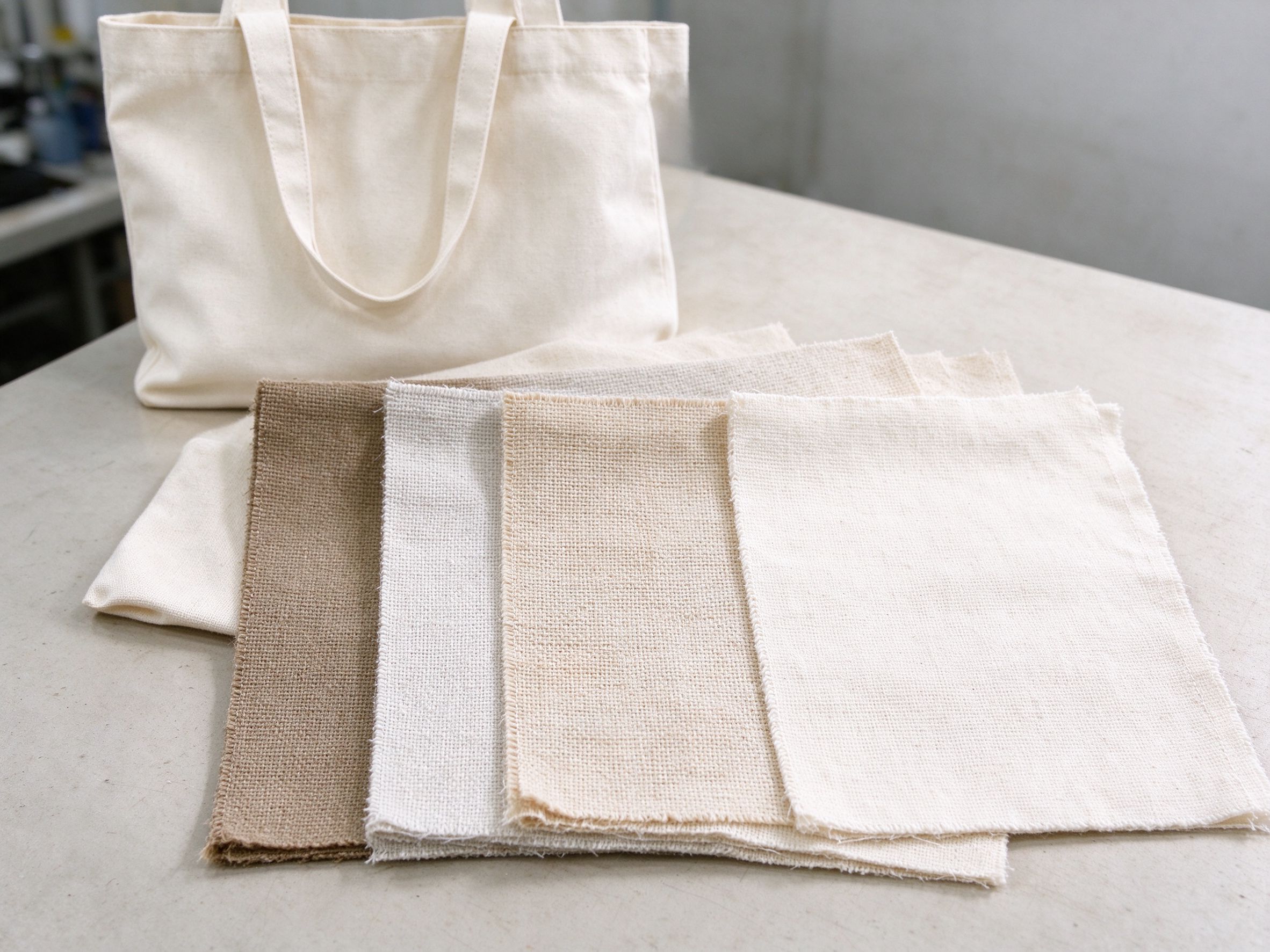
The fabric’s physical feel can help buyers evaluate whether it suits the intended product. However, subjective descriptions such as “soft,” “firm,” or “premium” should be supported by a physical sample and clear acceptance requirements.
Evaluate hand feel
Touch the fabric and assess whether its surface and flexibility suit the intended application. A softer fabric may suit some designs, while a more structured fabric may be preferred for other products. Neither characteristic is universally superior. The appropriate choice depends on the intended appearance and function of the finished bag.
Check drape and shape retention
Observe how the fabric hangs and folds. If the finished tote is expected to maintain a particular shape, evaluate a sewn sample rather than relying solely on a flat fabric swatch. The bag’s shape also depends on dimensions, seams, gussets, handles, and other construction details. For this reason, fabric quality should be evaluated as part of the complete product rather than in isolation. For guidance on finished dimensions and capacity, review our custom canvas tote bag sizes guide.
Confirm that the fabric suits the intended use
Consider whether the proposed material is appropriate for the expected contents, carrying method, and product presentation. If the bag must meet defined performance requirements, request relevant test information and agree on the test method before production. Do not infer load capacity, abrasion resistance, or long-term durability from hand feel alone.
6. Check Compatibility With Logo Printing
For custom canvas tote bags, the fabric must also be suitable for the intended decoration process. A fabric may look acceptable before printing but produce a different appearance after the logo is applied.
Compatibility depends on the material, surface characteristics, ink or transfer system, artwork, and printing process.
Confirm the intended printing method
Tell the supplier whether the project requires screen printing, heat transfer, or another decoration method. Ask the supplier to confirm that the proposed fabric is suitable for the selected process. If the material has a coating, special finish, or unusual surface texture, request a representative printed sample before approving the bulk specification.
Evaluate the printed sample
Review the logo for:
- Placement and alignment
- Colour appearance
- Edge definition
- Coverage and consistency
- Visible defects around the printed area
- Compatibility with the fabric texture
The exact acceptance criteria should reflect the artwork and the agreed production method.
Confirm the production reference
Where logo appearance is critical, retain an approved sample or another agreed reference showing the final fabric and printing combination. Changes to the fabric, colour, surface finish, or printing process should be reviewed before production because they may affect the finished appearance.
7. Ask Suppliers for Supporting Documents
Supplier documentation helps turn general material descriptions into verifiable purchasing requirements. The documents needed will depend on the product, market, and contractual requirements.
Potential items to request include:
- Fabric specification sheet
- Stated fibre composition
- Fabric weight and measurement method
- Colour reference or approval record
- Information about coatings or special finishes, where relevant
- Available test reports for specified properties
- Relevant compliance documents, where required
- Identification of the approved material or sample
Check that the documents apply to the exact fabric being quoted. A report for a different material, colour, supplier, or product configuration may not establish that the proposed fabric meets your requirements.
If a supplier claims that a fabric has a particular performance property, ask what evidence supports the claim and whether the evidence applies to the finished bag or only to the raw material. Where documentation is unavailable, record the limitation and decide whether the missing evidence is acceptable for the project. Do not treat an unsupported supplier statement as independently verified fact.
8. Build a Practical Fabric Quality Inspection Checklist
A written checklist makes it easier for purchasing, quality assurance, and the supplier to evaluate the same requirements. Use the following template as a starting point for your canvas tote bag fabric quality checks.
| Inspection item | What to verify | Evidence or acceptance reference |
|---|---|---|
| Fibre composition | Matches the approved material specification | Supplier documentation |
| Fabric weight | Matches the agreed target and measurement method | Specification or test result |
| Fabric construction | Matches the approved reference | Sample and specification |
| Colour | Consistent with the approved colour reference | Physical reference |
| Surface condition | No unacceptable holes, stains, or visible damage | Agreed visual criteria |
| Weave consistency | No unacceptable irregularities | Approved sample and criteria |
| Surface finish | Matches the stated finish | Specification and sample |
| Print compatibility | Suitable for the selected decoration method | Printed sample |
| Batch identification | Material can be traced where required | Supplier records |
| Supporting documents | Relevant documents are available and applicable | Document review |
| Sample approval | Material matches the approved reference | Signed or recorded approval |
| Change control | Substitutions require buyer approval | Purchase specification |
Not every project requires every item. Select the checks that matter to the intended product and record the acceptance requirements before production begins. Where numerical tolerances or performance thresholds are necessary, agree on them with the supplier rather than adopting arbitrary values.
9. Compare the Approved Sample With Bulk Production
An approved sample is useful only when the bulk order is checked against the same agreed requirements. Before production, confirm which sample, fabric specification, colour reference, and construction details constitute the approved standard.
During production or incoming inspection, compare representative products against that reference. If a material difference is identified, document the issue and assess its effect on the order. Possible responses may include further inspection, supplier clarification, corrective action, or a mutually agreed resolution, depending on the contract and the nature of the issue.
Manage material substitutions
Material substitutions should be documented and approved before they are implemented. A substitute may differ in fibre composition, weight, colour, surface finish, print compatibility, or other properties.
Ask the supplier to identify the proposed change and explain its implications. If necessary, request a new sample and repeat the relevant checks. This process helps prevent a visually similar but technically different material from entering production without approval.
10. Common Mistakes When Buying Canvas Tote Bag Fabric
Mistake 1: Choosing fabric by appearance alone. A photograph cannot establish fibre composition, weight, or all relevant performance properties.
Mistake 2: Treating GSM as a complete quality rating. Weight is one specification, not a universal measure of fabric quality.
Mistake 3: Approving colour from a screen image alone. Use an agreed reference when colour accuracy matters.
Mistake 4: Assuming a fabric is suitable for every printing method. Confirm compatibility and review a representative printed sample.
Mistake 5: Accepting vague quality descriptions. Replace general claims with documented specifications and observable acceptance criteria.
Mistake 6: Ignoring material substitutions. Require approval before changes to the agreed fabric or finish.
Mistake 7: Inspecting only the raw fabric. The sewn and printed bag may reveal issues that are not apparent in a flat swatch. For guidance on how handle and gusset construction affects the finished product, see our canvas tote bag handle and gusset options guide.
Frequently Asked Questions
How can I tell whether canvas tote bag fabric is good quality?
Start by checking the agreed material specification, surface condition, colour consistency, fabric construction, and suitability for the intended use. A practical canvas tote bag fabric quality review combines supplier documentation, physical sample checks, and clear acceptance criteria. Request supporting documents where necessary and evaluate a representative finished sample.
Does heavier canvas always mean better quality?
No. Fabric weight is only one factor. Fibre composition, construction, finishing, stitching, and the intended application also matter. A heavier material is not automatically the best choice for every tote bag.
What documents should I request from a canvas fabric supplier?
Depending on the project, request a fabric specification, stated fibre composition, weight information, colour reference, relevant test reports, and any required compliance documentation. Confirm that the documents apply to the exact material being supplied.
How should I check colour consistency for a bulk order?
Approve a physical colour reference where appropriate, define how colour will be inspected, and ask the supplier how material batches will be controlled. Document acceptable variation before production.
Should I inspect a printed bag or only the raw fabric?
Both may be necessary. Raw fabric inspection helps identify material issues, while a printed sample helps evaluate the interaction between the fabric and the decoration process.
Can I use the approved sample as the only quality standard?
The sample is an important reference, but it should be supported by a written specification and explicit acceptance criteria. Some properties, such as composition or defined performance requirements, may require additional documentation or testing.
Request a Custom Canvas Tote Bag Quotation
When you request a quotation, the more the supplier has to evaluate, the fewer surprises you will get at the inspection stage. Send one of the following, depending on where you are in the process:
- A fabric specification or swatch. If you already have an approved material, reference sample, or written specification, include it. This gives the supplier a concrete quality baseline to quote against.
- Your intended use and priorities. If you are still comparing options, describe the application, target dimensions, colour, logo method, and any compliance or performance requirements so the proposed materials can be evaluated against the intended use.
- Both, plus a deadline. Buyers who provide a reference and a target delivery date tend to receive clearer proposals about material availability and sampling time.
BriefcaseCustom reviews the requested specification and confirms which material details and acceptance criteria need to be settled before sample approval. Browse our custom tote bags for more product and OEM options. Contact BriefcaseCustom with your fabric requirements, reference sample, or specification sheet to start the quotation process.