Types of Business Bags for Work: A Practical Guide to Briefcases, Laptop Bags, Satchels and More
Choosing the right business bag is not simply a matter of appearance. The best format depends on what the user carries, how the bag is transported, how formal the work environment is and whether the bag must support laptops, documents, accessories or branding.
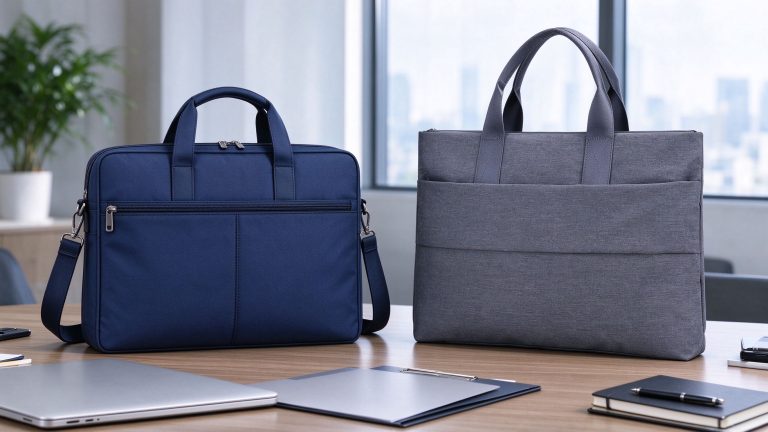
A traditional briefcase may be suitable for formal meetings, while a laptop bag may be better for daily commuting. A satchel can offer a balance between professional appearance and flexible carrying. Messenger bags and crossbody work bags may be more convenient for mobile professionals who need to keep both hands free.
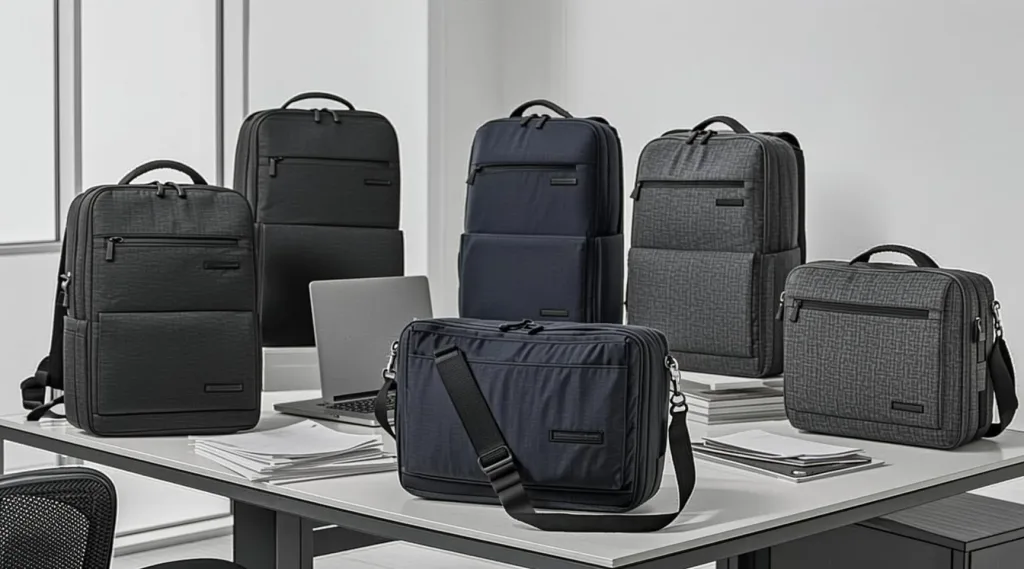
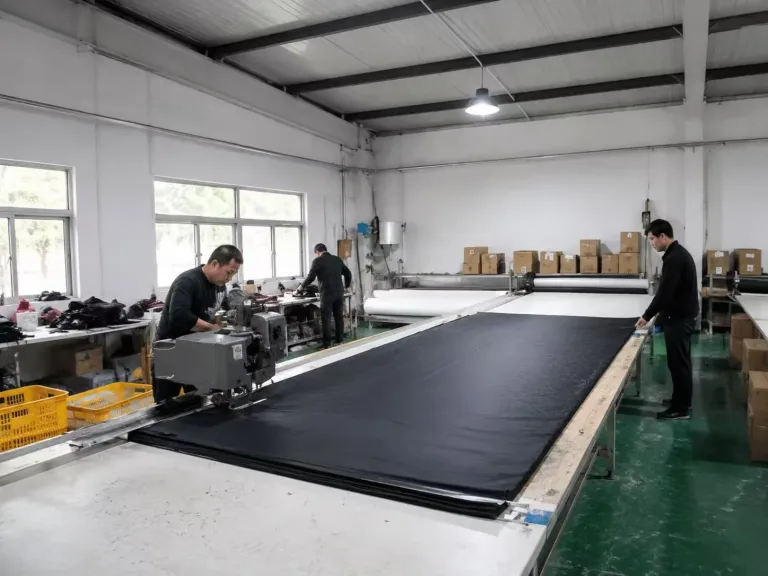
For companies, distributors and corporate buyers, the decision is even broader. A business bag may be used for employees, conferences, training programmes, onboarding kits, client gifts, promotional campaigns or wholesale resale. In these cases, the buyer must consider not only the bag type, but also material, internal capacity, logo placement, sampling, packaging and bulk production requirements.
This guide explains the main types of business bags for work, how they differ and how to choose the right format for personal or business use.
What Is a Business Bag?
A business bag is a work-oriented bag designed to carry professional items such as documents, laptops, tablets, notebooks, chargers and office accessories.
Business bags can include many different formats:
- Briefcases
- Laptop bags
- Satchels
- Messenger bags
- Crossbody work bags
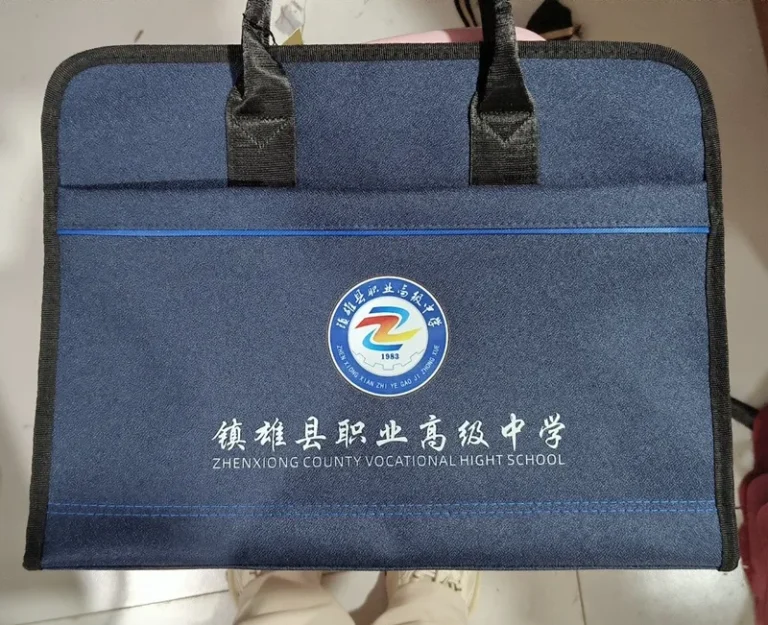
- Conference bags
- Document bags
- Portfolio bags
- Backpacks designed for business use
- Tote-style work bags
The term “business bag” describes the purpose of the product rather than one fixed shape. A business bag should normally combine practical storage, suitable protection, professional appearance and a carrying method that matches the user’s routine.
For business buyers, the term can also refer to a product category rather than one individual model. A company may use different formats for executives, employees, students, event participants or sales teams.
1. Traditional Business Briefcase
The traditional briefcase is one of the most recognisable business bag types. It is usually structured, rectangular and designed to carry documents in an organised format.
Common features
- Structured rectangular body
- Top handles
- Wide document compartment
- Optional shoulder strap
- Flat or moderately deep profile
- Professional exterior design
- Internal pockets for office accessories
Best for
A traditional briefcase is often suitable for:
- Formal business meetings
- Legal and financial work
- Executive use
- Client presentations
- Document-heavy office work
- Professional gifting programmes
The briefcase format often creates a formal appearance. It can also make papers, folders and presentation materials easier to organise.
Modern briefcases may be made from leather, PU leather, nylon, polyester or Oxford fabric. A textile briefcase can reduce weight while maintaining a structured business appearance.
Limitations
A traditional briefcase may be less convenient when the user:
- Walks long distances
- Carries a heavy laptop and accessories
- Needs hands-free mobility
- Works in a highly casual environment
- Needs space for personal items
A shoulder strap can improve flexibility, but a very formal design may still be less comfortable for long commuting.
2. Laptop Briefcase
A laptop briefcase combines the appearance of a business briefcase with a dedicated compartment for a computer.
Common features
- Padded laptop section
- Document compartment
- Charger storage
- Top handles
- Detachable shoulder strap
- Slim professional profile
- Organiser pockets
A laptop briefcase is generally more device-focused than a traditional document briefcase. It may still carry files and notebooks, but the internal layout is usually designed around computer protection.
Best for
- Office commuting
- Corporate employee kits
- Business travel
- Sales teams
- Consultants
- Training programmes
- Laptop-based work
Before selecting a laptop briefcase, measure the actual laptop. Screen size alone is not enough because different devices with the same advertised screen size may have different external dimensions.
The buyer should confirm:
- Laptop length
- Laptop width
- Laptop thickness
- Protective case size
- Charger dimensions
- Required document space
For companies ordering in bulk, a sample should be tested with the actual device and accessories.
3. Laptop Bag
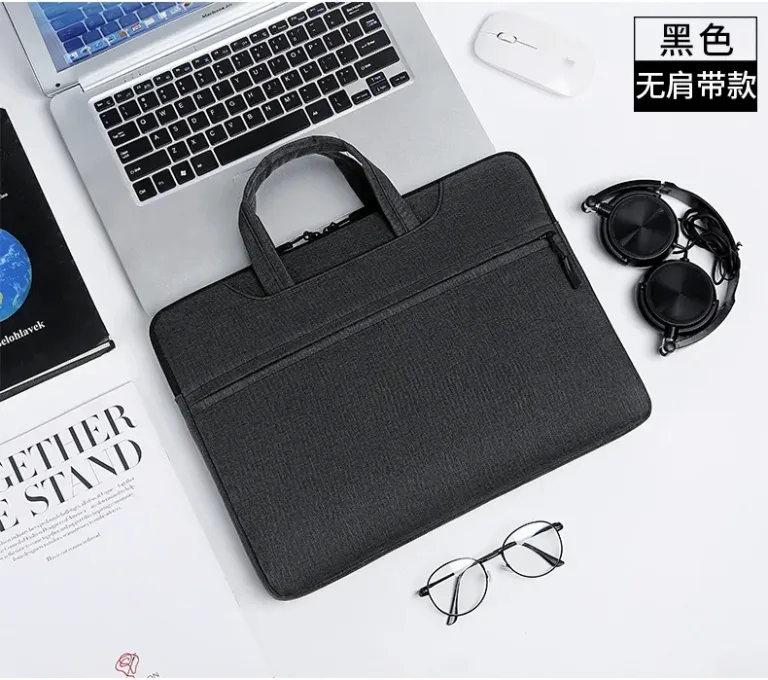
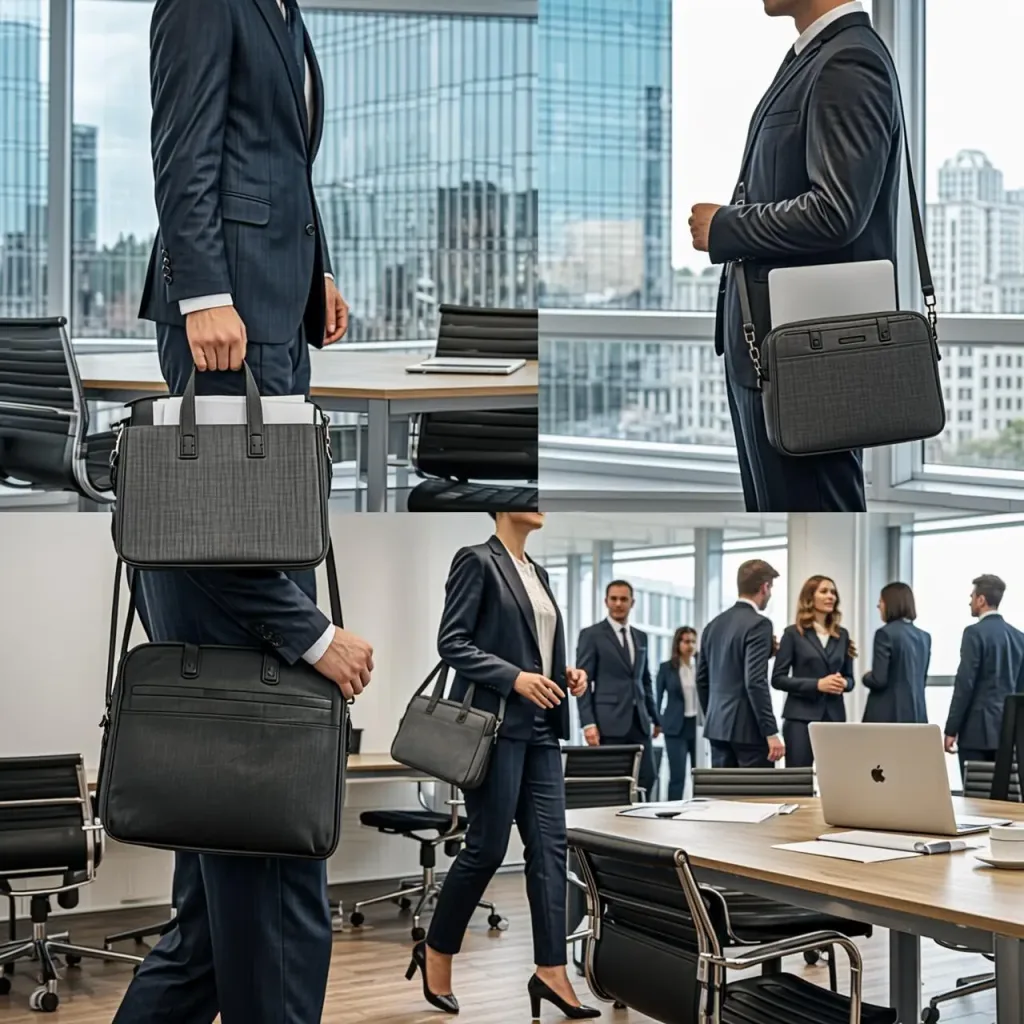
A laptop bag is usually more practical and less formal than a traditional briefcase. It may use a shoulder strap, top handles or both.
Common features
- Padded device compartment
- Zippered main opening
- Lightweight construction
- Multiple organiser pockets
- Adjustable shoulder strap
- Space for charger and accessories
Laptop bags are often designed for daily commuting rather than formal presentation. They may be slimmer and lighter than a large briefcase.
Best for
- Daily office use
- Students and trainees
- Hybrid workers
- Business travel
- Technology teams
- Employee onboarding programmes
A laptop bag may be a better option when the main priority is device protection and easy transportation. It may be less suitable when the user carries many printed documents or needs a highly formal executive appearance.
Businesses looking for device-focused products can review the custom laptop bag manufacturer page when evaluating dimensions, compartments and branding requirements.
4. Satchel Work Bag
A satchel work bag usually combines a structured body with top handles and, in many designs, a detachable shoulder strap.
It often sits between a traditional briefcase and a casual shoulder bag.
Common features
- Top handles
- Optional crossbody or shoulder strap
- Semi-structured body
- Front pocket or flap
- Moderate document capacity
- Flexible everyday appearance
Best for
- Business-casual offices
- Daily commuting
- Training programmes
- Mixed work and personal use
- Professionals who switch between hand-carry and shoulder-carry
- Corporate gifts intended for repeated use
A satchel can be more versatile than a formal briefcase, especially when users move between offices, transport hubs and events.
However, satchel designs vary significantly. Some are compact and fashion-oriented, while others are built as serious work bags with laptop compartments and document storage.
For businesses, the important specifications are not only the product name but also:
- Internal dimensions
- Base structure
- Strap reinforcement
- Laptop protection
- Logo placement
- Total weight
5. Messenger Bag
A messenger bag usually has a long adjustable strap and a practical rectangular body. Many designs include a flap, external pocket and broad internal compartment.
Common features
- Adjustable shoulder strap
- Crossbody carrying option
- Front flap
- Quick-access pockets
- Document-friendly shape
- Laptop or tablet compartment
Best for
- Commuting
- Field work
- Creative offices
- Event staff
- Mobile professionals
- Users who need hands-free carrying
Messenger bags are often more casual than traditional briefcases, but a structured model in a neutral colour can still look professional.
A messenger bag may be particularly useful when the user needs to open the bag repeatedly during travel or work. The front flap and external pockets can make smaller accessories easier to access.
The main limitation is weight distribution. A messenger bag is normally carried on one shoulder or across the body, so overloading it may reduce comfort.
For detailed guidance on strap position, fit and professional styling, readers can continue to learn how to wear a messenger bag for work.
6. Crossbody Work Bag
A crossbody work bag is defined mainly by the carrying method. The strap runs diagonally across the body, allowing the user to keep both hands free.
Crossbody work bags may have many different shapes:
- Small document bags
- Tablet bags
- Laptop bags
- Messenger-style bags
- Travel work bags
- Compact organiser bags
Best for
- Walking and commuting
- Trade shows
- Sales visits
- Travel
- Lightweight work carry
- Event operations
A crossbody design can stay close to the body while the user is moving. It can also be easier to manage in crowded transport environments.
However, a small crossbody bag may not provide enough space for a full-size laptop, A4 folders and accessories. Buyers should distinguish between a compact crossbody bag and a larger crossbody work bag.
The label “crossbody” describes how the bag is worn, not necessarily how much it can carry.
7. Conference Bag
A conference bag is designed for events, training programmes, seminars, trade shows and corporate meetings.
It may resemble a briefcase, laptop bag, messenger bag or document bag, but its design is usually selected around event requirements.
Common features
- Space for notebooks and documents
- Logo area
- Lightweight material
- Organiser pockets
- Comfortable shoulder strap
- Easy distribution at scale
- Custom packaging options
Best for
- Conferences
- Training sessions
- Employee programmes
- Corporate gifts
- Exhibitions
- Educational events
- Government or institutional programmes
A conference bag should be evaluated based on what attendees will actually receive and carry.
If the programme includes A4 materials, a tablet or a charger, the bag needs more than a small promotional compartment. If the event is primarily a short presentation or registration session, a lighter format may be sufficient.
A useful conference bag should also remain practical after the event. Reusable bags may provide greater value than products designed only for one-time distribution.
For event-specific sourcing, the conference bag manufacturer page is a relevant next step.
8. Document Bag or File Bag
A document bag is usually slimmer than a briefcase and designed primarily for papers, folders and writing materials.
Common features
- Slim profile
- Zipper closure
- File compartment
- Lightweight construction
- Handle or shoulder strap
- Minimal internal depth
Best for
- Documents
- Contracts
- Meeting materials
- Training papers
- Presentation folders
- Administrative work
A document bag is useful when the user wants to keep papers organised without carrying a large laptop compartment.
It may not be suitable for a thick laptop, bulky charger or many personal items. For those requirements, a laptop bag or structured briefcase may be more practical.
9. Business Backpack
Although traditional business bags often use handles or shoulder straps, business backpacks are increasingly used for commuting and travel.
Common features
- Two shoulder straps
- Padded laptop compartment
- Back panel
- Multiple organiser sections
- Water-resistant outer material
- Trolley sleeve in some designs
Best for
- Long commutes
- Cycling
- Air travel
- Heavy laptop carry
- Mobile work
- Professionals who need balanced weight distribution
A backpack may be more comfortable than a one-shoulder bag when the load is heavy. However, it can appear less formal in certain business environments.
For executive meetings or formal client presentations, a briefcase may still create a more conventional impression. For daily transport, a business backpack may be more practical.
10. Portfolio Bag
A portfolio bag is usually compact and designed for presentations, notebooks, papers and small accessories.
Common features
- Slim body
- Handle or wrist strap
- Document compartment
- Pen slots
- Small accessory pockets
- Lightweight construction
Best for
- Interviews
- Presentations
- Sales calls
- Short meetings
- Training sessions
- Events where only limited materials are needed
A portfolio bag should not be selected when the user must carry a large laptop, charger and several folders. It is better suited to light professional carry.
How to Choose the Right Business Bag
The correct business bag depends on several practical questions.
1. What must the bag carry?
Make a list of the actual contents:
- Laptop
- Tablet
- A4 documents
- Notebook
- Charger
- Mouse
- Headphones
- Samples
- Personal items
- Presentation materials
This list will determine the required capacity and internal structure.
2. How formal is the work environment?
A formal environment may favour:
- Structured briefcases
- Laptop briefcases
- Slim document bags
A business-casual or mobile environment may favour:
- Satchels
- Messenger bags
- Crossbody work bags
- Business backpacks
3. How far will the bag be carried?
Consider whether the user:
- Walks long distances
- Uses public transport
- Travels by air
- Moves between buildings
- Carries the bag only from a car to an office
Long-distance movement increases the importance of:
- Weight
- Strap comfort
- Balance
- Padding
- Water resistance
- Secure closures
4. Is the bag for personal use or bulk distribution?
For personal use, the user may focus on style and daily convenience.
For business orders, the buyer should also consider:
- Target budget
- Quantity
- Logo method
- Sample approval
- Packing
- Inspection
- Delivery requirements
- Consistency across units
5. Does the bag need customization?
Customization may include:
- Company logo
- Brand colours
- Fabric changes
- Size changes
- Pocket adjustments
- Shoulder strap changes
- Internal labels
- Packaging
The logo area should be evaluated before finalising the design. A large front panel may suit a conference bag, while a smaller logo may be more appropriate for an executive briefcase.
Material Choices for Business Bags
Common materials include:
- Oxford fabric
- Nylon
- Polyester
- Canvas
- PU leather
- Genuine leather
The choice depends on appearance, weight, cost, durability and branding requirements.
Oxford fabric is often selected for practical business bags because it can combine a professional textile appearance with relatively light construction. The exact water resistance and wear performance depend on the fabric specification and bag construction, so these details should be confirmed in the product requirements.
Leather and PU leather may create a more formal appearance but can affect weight and target cost.
Canvas may suit casual or lifestyle-oriented work bags, while nylon and polyester may support lightweight travel and commuter designs.
Material should be chosen according to use rather than visual preference alone.
What Businesses Should Check Before Ordering
Before placing a custom or wholesale order, buyers should confirm:
Product dimensions
Check the external and internal dimensions, including:
- Laptop compartment
- Document area
- Base size
- Strap length
- Handle drop
- Pocket depth
Construction
Review:
- Stitching
- Zippers
- Buckles
- Handles
- Strap attachments
- Edge finishing
- Base reinforcement
Branding
Confirm:
- Logo position
- Logo size
- Decoration method
- Colour accuracy
- Distance from seams
- Visibility when carried
Sampling
A physical sample should be tested with:
- Actual laptop
- Documents
- Accessories
- Logo artwork
- Packaging
- Intended carrying method
Production consistency
Bulk orders should include written specifications for:
- Material
- Dimensions
- Colour
- Logo
- Packaging
- Quantity
- Inspection requirements
Companies evaluating formal work bags can also review the custom business briefcases manufacturer page when a structured and branded business format is required.
Quick Business Bag Selection Guide
Choose a traditional briefcase when the priority is formal presentation and document organisation.
Choose a laptop briefcase when the user needs a professional format with dedicated laptop protection.
Choose a laptop bag when the main priority is device transport, light weight and daily commuting.
Choose a satchel when the user needs flexible carrying and a business-casual appearance.
Choose a messenger bag when hands-free mobility, quick access and practical storage are important.
Choose a crossbody work bag when the user carries a lighter load and moves frequently.
Choose a conference bag when the product is intended for events, training programmes or corporate distribution.
Choose a document bag when the main contents are folders, papers and notebooks.
Choose a business backpack when the user regularly carries heavier equipment or travels long distances.
Final Thoughts
There is no single best business bag for every professional situation.
A briefcase may be the right choice for a formal meeting. A laptop bag may be better for daily commuting. A satchel may provide a useful balance between structure and flexibility. A messenger bag or crossbody work bag may be more suitable for mobile work, events and travel.
For businesses, the decision should be based on actual usage rather than product names. The buyer should define the contents, working environment, carrying distance, branding requirements and target budget before selecting a product.
The most successful business bag projects usually begin with a clear specification and a realistic sample review. Once the intended use is understood, it becomes easier to choose the right shape, material, compartment layout and decoration method.
Frequently Asked Questions
What is the most professional type of business bag?
A structured briefcase or laptop briefcase usually creates the most traditional professional appearance. However, a clean satchel or structured laptop bag can also look professional in modern business-casual environments.
What is the best business bag for commuting?
A laptop bag, messenger bag, satchel or business backpack may work well for commuting. The best option depends on the load, travel distance, comfort requirements and desired appearance.
What type of business bag is best for conferences?
A conference bag or lightweight laptop briefcase is often suitable. The correct choice depends on whether attendees need to carry A4 documents, laptops, notebooks, chargers or promotional materials.
Are business bags suitable for logo customization?
Yes. Many business bags can be customized with screen printing, heat transfer, embroidery, woven labels or other branding methods. The appropriate method depends on the material, artwork and intended durability.
Should a business bag be waterproof?
The required level of water resistance depends on the usage environment. Commuter and travel bags may benefit from water-resistant materials and covered zippers, while indoor presentation bags may have different priorities.
How do I choose the right business bag for a company order?
Start by defining the recipient, contents, laptop dimensions, carrying method, material, logo requirements, quantity and packaging. Approve a physical sample before bulk production.