What Is a Satchel Bag? Complete Guide to Satchel Bags, Sizes, Styles & Uses
A satchel bag is a structured bag designed to carry everyday essentials while maintaining a practical, professional appearance. Traditionally, satchels have a relatively rectangular shape, a flat or structured bottom, and a top opening that allows the user to organize documents, personal items, or work equipment.
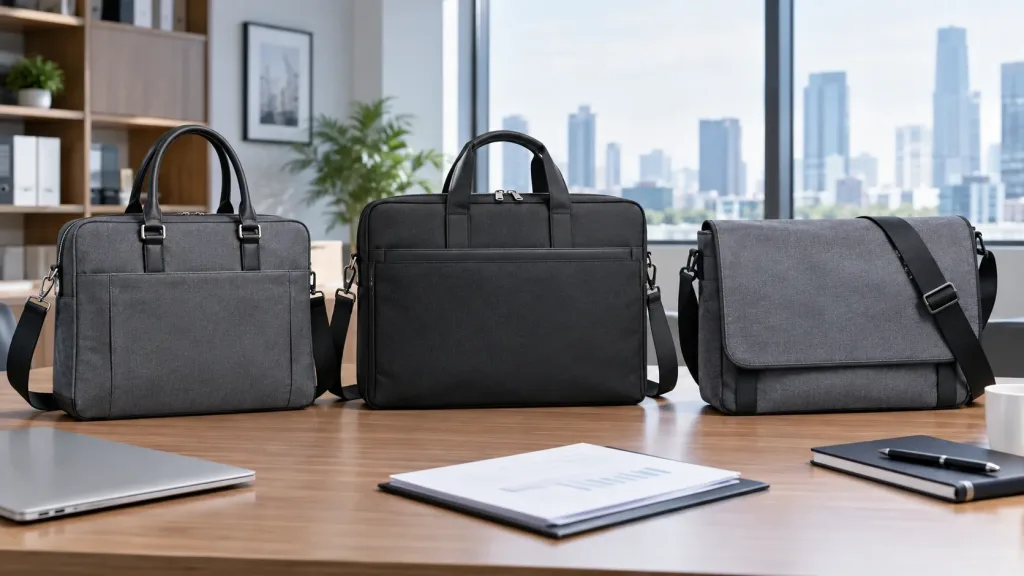
Today, the term satchel bag covers a much wider range of designs than the traditional school or leather satchel. Modern satchels can be made from leather, PU leather, canvas, nylon, polyester, or Oxford fabric, and they may include handles, a shoulder strap, laptop compartments, document pockets, and other organizational features.
For consumers, choosing a satchel often comes down to style, size, comfort, and everyday use.
For businesses and brands, the decision is broader. A satchel can also be a useful format for corporate gifts, employee bags, promotional programs, conference materials, and private-label collections.
This guide explains what a satchel bag is, how it differs from other popular bag styles, what sizes are available, how to wear one, and what to consider when sourcing satchel-style bags in bulk.
What Is a Satchel Bag?
A satchel is generally a structured or semi-structured bag designed for carrying personal or work-related belongings.
The classic satchel shape is usually:
- Rectangular or slightly rounded
- Wider than it is deep
- Designed to hold documents or other flat items
- Equipped with one or two handles
- Often fitted with a shoulder strap
- Organized with internal compartments or pockets
Traditional satchels were strongly associated with school and document carrying. Modern versions have evolved into bags suitable for commuting, work, travel, education, and casual everyday use.
One important point is that there is no single universal satchel design.
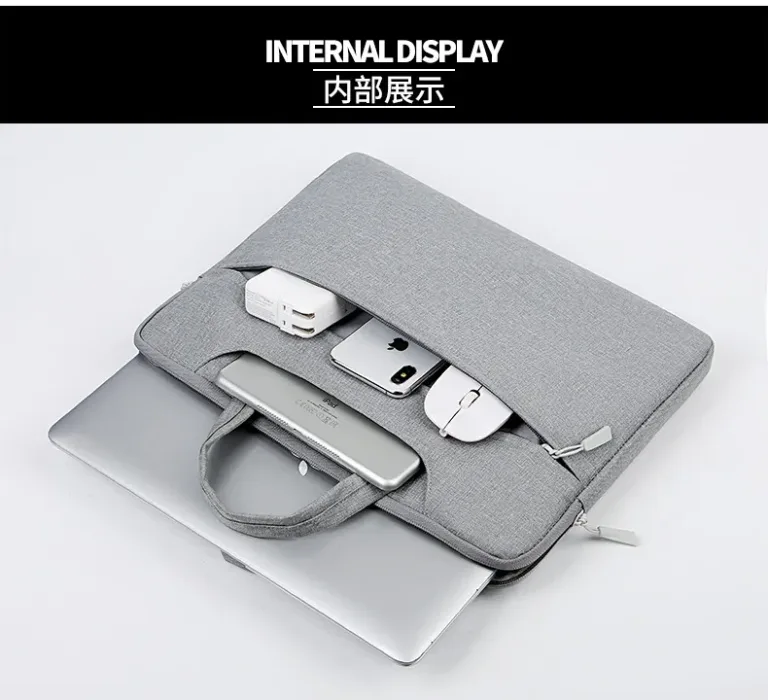
A small satchel may be intended for personal items such as a wallet, phone and notebook. A larger satchel can accommodate A4 documents, tablets, chargers and even laptops.
That makes the word “satchel” more of a bag style category than a strict technical specification.
What Does a Satchel Bag Look Like?
The easiest way to recognize a traditional satchel is to look at its overall structure.
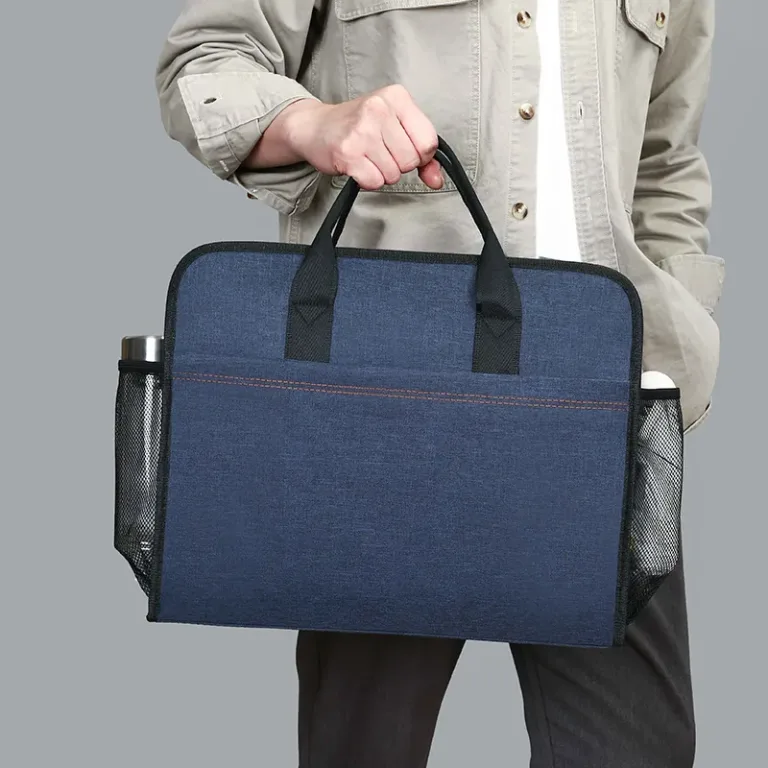
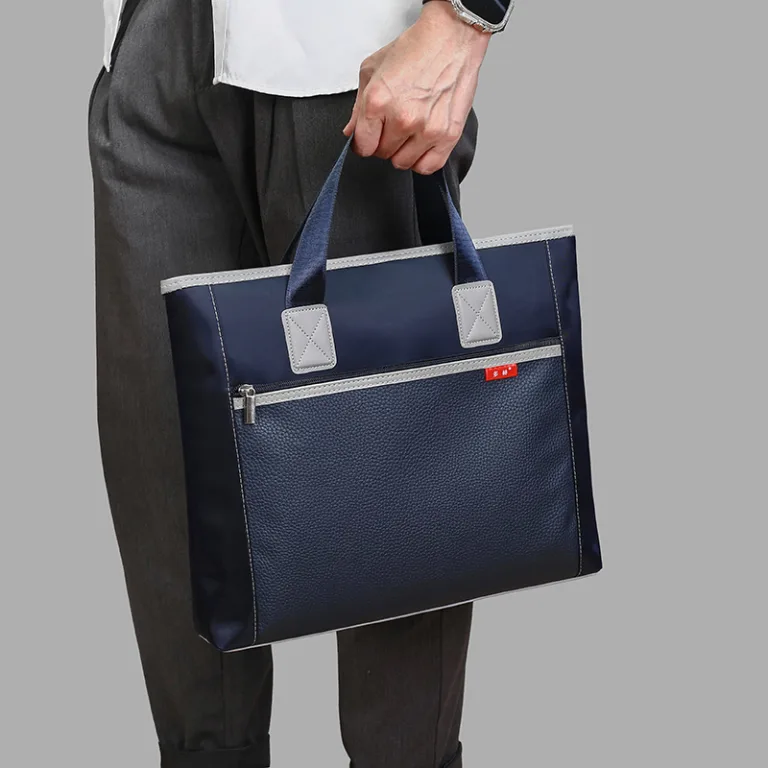
A typical satchel has a relatively flat front and back panel, a defined base, and a top opening. Many designs use a flap, zipper, buckle or magnetic closure.
The handles are usually positioned near the top of the bag.
Some satchels are designed primarily for hand carrying, while modern versions commonly add a detachable shoulder strap.
This combination gives the satchel a distinctive balance between a handbag, messenger bag and briefcase.
For example:
Small satchel
Usually designed for everyday personal belongings.
Medium satchel
Often suitable for notebooks, documents, tablets and accessories.
Large satchel
Can function as a work bag capable of carrying files, a laptop and other business essentials.
The actual capacity depends much more on the internal dimensions than the name of the bag.
Satchel Bag vs Briefcase: What’s the Difference?
Satchels and briefcases can look very similar, especially when both have a rectangular shape and a top handle.
The biggest difference is usually design purpose and styling.
A traditional briefcase is strongly associated with professional document carrying. It typically has a more formal structure and is designed around business use.
A satchel is generally more flexible in appearance. It can be professional, casual, academic or fashion-oriented depending on the material and construction.
| Feature | Satchel Bag | Briefcase |
|---|---|---|
| Typical shape | Structured rectangular | Structured rectangular |
| Style | Casual to professional | Mainly professional |
| Handles | Common | Common |
| Shoulder strap | Common | Common |
| Documents | Usually suitable | Excellent |
| Laptop | Depends on design | Common in modern versions |
| Daily casual use | Very common | Less common |
| Corporate use | Possible | Very common |
There is also considerable overlap.
A well-designed Oxford fabric satchel-style bag with a padded laptop compartment can function almost like a lightweight business briefcase.
This is particularly useful when designing bags for employees, sales teams or corporate events.
Satchel Bag vs Messenger Bag
Satchels and messenger bags are also frequently confused.
The main difference is usually how the bag is constructed and carried.
A messenger bag normally emphasizes crossbody carrying. It often has a long shoulder strap and a flap that opens toward the front.
A satchel may also have a shoulder strap, but its structure often places more emphasis on its handles and structured body.
A messenger bag is usually more relaxed and movement-oriented.
A satchel tends to look more structured.
For work environments, the distinction becomes less obvious because many modern bags combine elements from both designs.
A company could, for example, create a structured Oxford fabric bag with:
- Two top handles
- A detachable shoulder strap
- A padded laptop compartment
- A front organizer
- A document section
- Custom company branding
At that point, the product can serve the practical role of several traditional bag categories.
What Is a Satchel Bag Used For?
Satchel bags can be used for many different situations.
1. Work and commuting
A medium or large satchel can carry:
- Laptop
- Tablet
- A4 documents
- Notebook
- Charger
- Mouse
- Pens
- Business cards
For daily commuting, a shoulder strap can make a major difference because it allows the user to keep both hands free.
2. School and education
The structured shape makes satchels suitable for books, notebooks and school supplies.
A lightweight textile version can be more practical than a heavy leather design.
3. Business meetings
A professional-looking satchel can work well for meetings where the user needs documents, presentation materials or a laptop.
The design can be less formal than a traditional hard-sided briefcase while still looking organized.
4. Business travel
A larger satchel with a laptop compartment can function as a compact travel work bag.
Useful features include:
- Padded laptop compartment
- Document storage
- Detachable shoulder strap
- Luggage strap
- Zippered pockets
- Lightweight construction
5. Corporate gifts
Satchel-style bags can also be used as branded corporate gifts.
Companies may customize them with:
- Company logo
- Brand colors
- Custom labels
- Printed graphics
- Packaging
- Internal tags
For large corporate programs, the bag can become part of an employee onboarding kit, conference package or promotional campaign.
What Size Satchel Bag Should You Choose?
There is no universally correct satchel size.
The right size depends on what the user needs to carry.
Small satchel
A small satchel is generally suitable for:
- Phone
- Wallet
- Keys
- Small notebook
- Personal accessories
It is better suited to personal use than laptop-heavy work.
Medium satchel
A medium satchel is more versatile.
It may accommodate:
- Tablet
- Notebook
- Documents
- Charger
- Personal items
This size can work well for everyday commuting.
Large satchel
A large satchel can be designed around professional equipment.
Depending on its internal dimensions, it may hold:
- 13-inch laptop
- 14-inch laptop
- 15.6-inch laptop
- A4 documents
- Notebook
- Charger
- Mouse
- Headphones
- Accessories
However, the laptop size should never be determined only from the screen size.
Two laptops marketed as “15.6-inch” can have different physical dimensions.
For a custom production project, the safest approach is to provide the actual laptop dimensions before the compartment is finalized.
This is also the principle used when specifying custom laptop bags: the internal compartment should be designed around the real device rather than relying only on the advertised screen size. Your existing laptop bag specifications follow this same approach.
What Materials Are Satchel Bags Made From?
Satchels can be produced from many different materials.
Leather
Leather creates a traditional and premium appearance.
It can be appropriate for executive products, luxury brands and high-end corporate gifts.
The disadvantages are typically higher material cost and greater weight compared with textile alternatives.
PU Leather
PU leather can reproduce a leather-like appearance at a lower material cost.
It is often considered when appearance is important but the project has a controlled budget.
Canvas
Canvas provides a more casual and natural appearance.
It can work well for lifestyle-oriented satchels.
Nylon
Nylon is lightweight and commonly used for travel and everyday bags.
Oxford Fabric
Oxford fabric is particularly relevant for business-oriented textile bags.
It can provide a practical combination of:
- Durability
- Lightweight construction
- Water resistance depending on fabric and treatment
- Professional appearance
- Cost efficiency
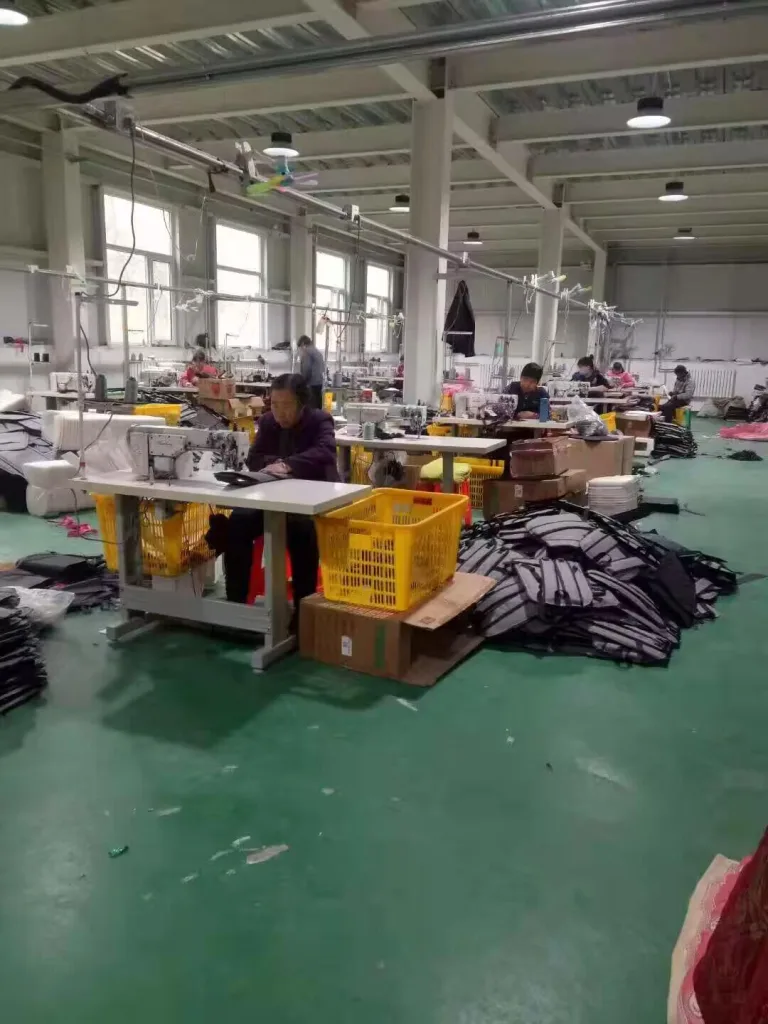
For a manufacturer producing business bags in bulk, Oxford fabric can also provide a practical surface for corporate branding.
Your existing product range already uses Oxford fabric for several business and laptop-oriented bag designs, making this a natural connection between the informational satchel topic and your actual product category.
How Do You Carry a Satchel Bag?
There are several common ways to carry a satchel.
Carry it by the top handles
This is the most traditional method.
It creates a formal appearance and works particularly well when entering meetings or offices.
Carry it over the shoulder
A detachable or adjustable shoulder strap makes the bag easier to carry over longer distances.
This is often more practical for commuting.
Wear it crossbody
Some modern satchels have sufficiently long straps to allow crossbody carrying.
This is useful when the user needs both hands free.
The correct carrying method depends on the bag’s size, weight and strap construction.
A large laptop satchel should not be treated like a small fashion bag simply because both are technically “satchels.”
What Features Should a Good Satchel Bag Have?
If the satchel is going to be used for work, several design details become especially important.
1. Comfortable handles
The handles should be strong enough for the expected load and comfortable during short periods of hand carrying.
2. Adjustable shoulder strap
A detachable or adjustable strap increases versatility.
3. Laptop protection
If the bag is designed for business users, a padded laptop compartment can significantly increase its usefulness.
4. Document compartment
A dedicated document area prevents papers from being folded or mixed with chargers and accessories.
5. Secure closure
Zippers, buckles, magnetic closures or combinations of these can be used depending on the design.
6. Internal organization
Too few pockets make a bag difficult to organize.
Too many pockets can also make the bag unnecessarily complicated.
The goal should be to create compartments around the items the intended user actually carries.
Can a Satchel Bag Be Used as a Laptop Bag?
Yes.
However, not every satchel is suitable for a laptop.
A laptop satchel should be designed around:
- Laptop dimensions
- Padding thickness
- Internal compartment dimensions
- Charger storage
- Accessory organization
- Closure security
- Carrying comfort
A laptop should fit securely without being forced into the compartment.
There should also be enough clearance around the device to prevent the zipper or hardware from pressing directly against the laptop.
For corporate procurement, it is better to specify the exact laptop model or physical dimensions before approving a production sample.
Can Satchel Bags Be Customized With a Logo?
Yes.
Satchel-style bags can be customized for corporate, promotional and private-label programs.
Common customization options include:
- Screen printing
- Heat transfer
- Embroidery
- Woven labels
- Rubber patches
- Custom zipper pulls
- Custom lining
- Custom packaging
- Private-label tags
Logo placement should be considered during the design stage rather than added as an afterthought.
The available branding method depends on the material, surface area, artwork and desired appearance.
For example, a simple corporate logo on an Oxford fabric bag may use a different technique from a detailed multicolor graphic.
For businesses ordering in bulk, the most important step is to approve the logo size, position, colors and production method on the sample before mass production.
Your existing custom bag service is specifically positioned around this type of OEM/ODM and logo customization, so this article can naturally introduce readers who are interested in branded satchel-style business bags to the commercial side of your website.
Are Satchel Bags Good for Business Use?
A satchel can be an effective business bag when its design matches the user’s daily requirements.
For example, a sales representative may need:
- Laptop
- Documents
- Product brochures
- Charger
- Notebook
- Business cards
An employee welcome program may need a lighter bag with a laptop compartment and company logo.
A conference program may need space for:
- Laptop
- Workbook
- Badge
- Pen
- Event materials
In these situations, the best design is not necessarily the most expensive one.
The more useful question is:
What does the recipient need to carry every day?
Once that is known, the material, size, compartment layout and branding can be designed around that requirement.
This same “use case first” approach is already used in your business briefcase content: corporate buyers should begin with the recipient and actual carrying requirements rather than choosing a bag simply because its product photograph looks professional.
Satchel Bags for Corporate and Wholesale Programs
For companies buying hundreds or thousands of bags, the purchasing process is different from buying one satchel from a retail store.
The buyer normally needs to consider:
- Quantity
- Material
- Dimensions
- Laptop compatibility
- Logo method
- Logo placement
- Color
- Hardware
- Packaging
- Sample approval
- Production requirements
- Shipping requirements
The sample is particularly important.
A digital rendering can show the overall appearance, but it cannot tell you whether the laptop compartment is actually large enough, whether the strap is comfortable or whether the logo looks correct on the physical material.
Your existing custom business briefcase sample approval guide emphasizes this same principle: use the physical sample to test capacity, material feel, logo placement and actual use before approving mass production.
For larger orders, this step can prevent a relatively small design problem from becoming a large production problem.
Satchel Bag FAQ
Is a satchel the same as a briefcase?
No. They can overlap in appearance and function, but a briefcase is generally more strongly associated with professional document carrying, while a satchel can cover a wider range of casual, academic and professional styles.
Can a satchel hold a laptop?
Yes, if it has been designed with an appropriately sized padded laptop compartment.
Can you wear a satchel crossbody?
Some satchels can be worn crossbody when they have a sufficiently long shoulder strap. Not every satchel is designed for this.
Are satchels good for work?
Yes. A properly sized satchel can carry laptops, documents, chargers and other work essentials.
What is the best material for a work satchel?
There is no universal answer. Leather can provide a premium appearance, while Oxford fabric, nylon and other textiles can provide a lighter and more practical solution for everyday or bulk applications.
Can a satchel bag be customized with a company logo?
Yes. Depending on the material and artwork, options can include screen printing, heat transfer, embroidery, woven labels and other branding methods.
What size satchel should I choose for a laptop?
Choose the size based on the laptop’s actual physical dimensions rather than screen size alone. The compartment should also leave enough space for padding and comfortable insertion.
Final Thoughts
A satchel bag is best understood as a flexible bag style rather than one fixed product specification.
Traditional satchels are structured, practical and often document-friendly, while modern designs can combine the appearance of a satchel with the functionality of a laptop bag, messenger bag or business briefcase.
For everyday users, the most important factors are size, comfort, organization and intended use.
For businesses, the decision goes further. Material, laptop capacity, branding, logo placement, packaging and sample approval all become important when the bags are being purchased for employees, events, corporate gifts or wholesale distribution.
If you are developing a branded satchel or business bag for a corporate program, the best starting point is not simply choosing a bag from a catalogue. Start with the items the end user needs to carry, determine the required dimensions and compartments, then select the material and branding method around that use case.
That approach produces a bag that is not only visually branded but actually useful enough to be carried repeatedly.